Simple Nutrition Habits That Can Improve Your Health Naturally
Healthy eating is often presented as something complicated, expensive, or difficult to maintain. Social media trends, restrictive diets, and endless nutrition advice can make people feel overwhelmed when trying to improve their health. In the United States, many individuals want to eat better but struggle to follow strict meal plans or dramatic lifestyle changes for long periods of time.
In reality, long-term health improvements usually come from simple and sustainable nutrition habits rather than extreme dieting. Small daily choices repeated consistently can positively affect energy levels, digestion, weight management, immune function, sleep quality, and overall well-being. Healthy eating does not require perfection or completely eliminating favorite foods. It is more about creating balanced routines that support the body naturally over time.
Modern lifestyles also make practical nutrition habits increasingly important. Busy work schedules, processed convenience foods, fast-food culture, and constant digital distractions often lead people to eat quickly and without much planning. By focusing on manageable habits instead of temporary diet trends, individuals can develop healthier relationships with food while improving both physical and mental health.
Eating More Whole Foods and Balanced Meals Supports Natural Health
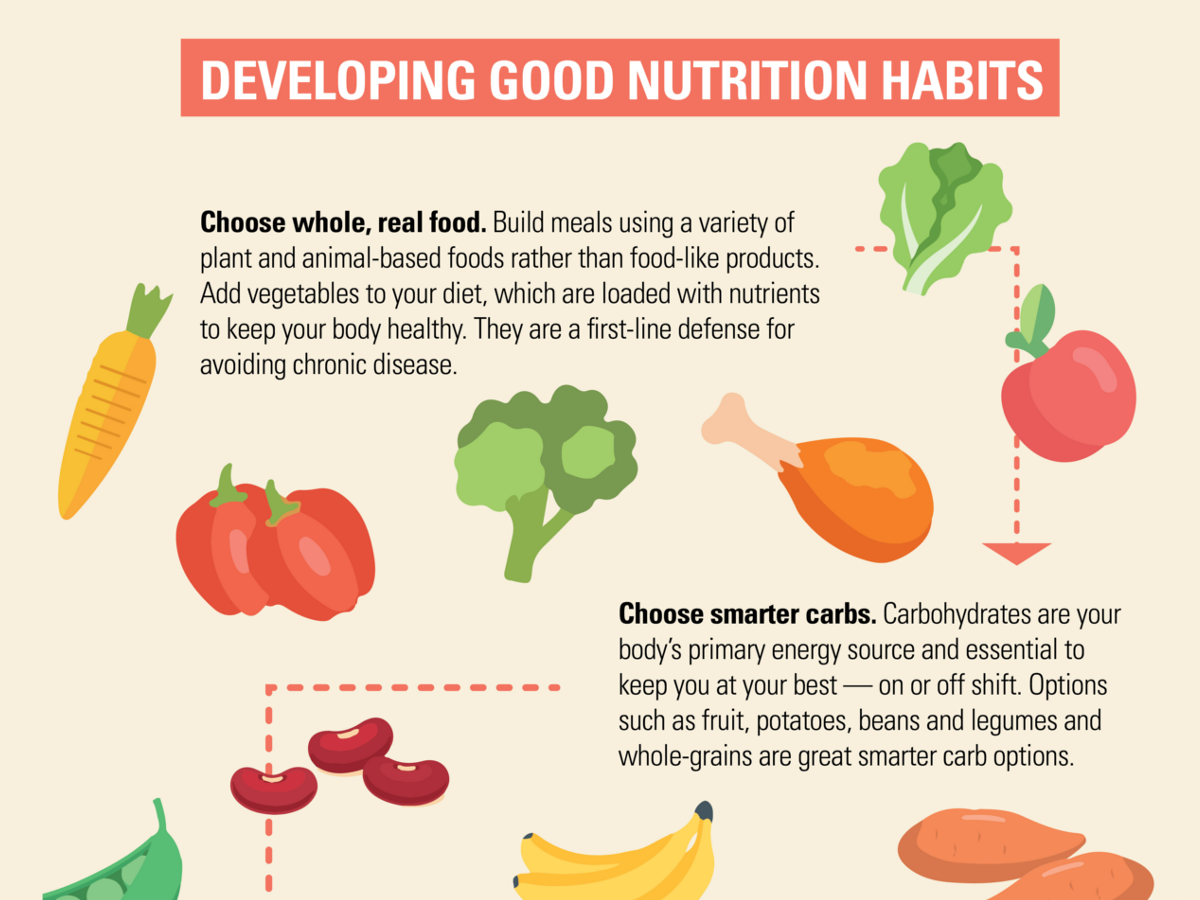
One of the most effective ways to improve nutrition naturally is by focusing on whole foods instead of heavily processed products. Whole foods generally contain more vitamins, minerals, fiber, and beneficial nutrients while containing fewer artificial additives, excessive sugars, and unhealthy fats.
Fruits and vegetables are among the most important parts of a balanced diet. They provide antioxidants, fiber, vitamins, and minerals that support immune health, digestion, heart health, and overall body function. Many Americans struggle to eat enough produce daily, especially when relying heavily on fast food or packaged meals.
Adding fruits or vegetables gradually to regular meals is often more sustainable than forcing dramatic dietary changes. Including berries with breakfast, adding vegetables to sandwiches or pasta, or keeping fruit available for snacks are simple ways to increase nutrient intake naturally.
Protein is another important part of healthy eating because it helps support muscle maintenance, energy stability, and fullness after meals. Balanced protein sources such as eggs, chicken, fish, beans, Greek yogurt, tofu, nuts, and lean meats can help reduce excessive snacking and maintain steady energy levels throughout the day.
Fiber-rich foods are also essential for digestive health and long-term wellness. Whole grains, vegetables, fruits, beans, seeds, and oats help support digestion and may contribute to better blood sugar balance and appetite control. Many processed foods contain far less fiber than minimally processed alternatives.
Healthy fats are another important part of natural nutrition. For years, many people incorrectly believed all fats were unhealthy. However, healthy fats from foods such as avocados, olive oil, nuts, seeds, and fatty fish support brain function, hormone balance, and heart health.
Hydration is equally important but often overlooked. Many people spend much of the day mildly dehydrated without realizing it. Proper hydration supports energy, digestion, concentration, and physical performance. Drinking more water consistently is one of the simplest nutrition habits that can positively affect overall health.
Reducing highly processed foods can also improve health naturally over time. Packaged snacks, sugary beverages, fast food, and ultra-processed meals often contain excessive sodium, added sugars, and unhealthy fats. While occasional convenience foods are normal, relying heavily on them may negatively affect long-term wellness.
Meal balance matters more than strict food rules. Meals containing protein, healthy fats, fiber, and complex carbohydrates generally provide more stable energy and satisfaction compared to meals based mostly on refined sugars or processed foods. Balanced meals can also reduce energy crashes and unnecessary cravings later in the day.
Portion awareness is another helpful habit. Modern restaurant meals and packaged snacks are often much larger than necessary, encouraging overeating without people realizing it. Eating more slowly and paying attention to hunger cues can naturally improve portion control without requiring strict calorie counting.
Cooking more meals at home also supports healthier eating habits because individuals have greater control over ingredients, oils, sugar, and portion sizes. Even basic cooking skills can make healthy eating significantly easier and more affordable over time.
Consistent Daily Habits Often Matter More Than Extreme Dieting
Many people begin health journeys by following restrictive diets that eliminate entire food groups or promise rapid results. While these approaches may sometimes create short-term changes, they are often difficult to maintain and may lead to frustration or unhealthy eating patterns.
Sustainable nutrition habits usually work better because they fit realistically into everyday life. Small improvements practiced consistently tend to create stronger long-term results than extreme short-term restrictions. This is especially important for busy professionals, families, and students balancing demanding schedules.
One useful habit is planning meals ahead of time. People who prepare meals or snacks in advance are less likely to rely on unhealthy convenience foods when they become busy or tired. Meal planning does not need to be complicated. Even simple preparation such as washing vegetables, cooking protein in batches, or packing lunches ahead of time can improve eating consistency.
Breakfast habits also affect daily nutrition. Skipping breakfast may lead to low energy, overeating later in the day, or poor concentration for some individuals. Balanced breakfasts containing protein and fiber often support steadier energy levels compared to sugary pastries or heavily processed breakfast foods.
Healthy snacking can also improve nutrition naturally when approached thoughtfully. Snacks such as fruit, yogurt, nuts, boiled eggs, popcorn, or hummus provide more nutritional value than highly processed chips, candy, or sugary treats. Keeping healthier snacks accessible makes nutritious choices easier during busy days.
Mindful eating is another increasingly important habit in modern lifestyles filled with distractions. Many people eat while scrolling on phones, watching television, driving, or working. This often leads to overeating and reduced awareness of hunger and fullness signals.
Eating more slowly and focusing on meals can improve digestion and meal satisfaction. Simple habits such as sitting down during meals, chewing thoroughly, and avoiding multitasking while eating may help individuals feel more connected to their food choices.
Sleep quality also influences nutrition more than many people realize. Poor sleep can increase cravings for sugary or high-calorie foods while reducing energy and motivation for healthy meal preparation. Building healthier sleep routines may indirectly improve eating habits as well.
Stress management is equally important because emotional stress often affects food choices. Many individuals turn to comfort foods, late-night snacking, or sugary treats during stressful periods. Developing healthier coping strategies such as exercise, journaling, social connection, or relaxation practices may reduce emotional eating patterns.
Another common mistake is treating healthy eating as temporary instead of building lifelong habits. Sustainable nutrition should feel flexible and realistic rather than overly restrictive. Occasional treats, restaurant meals, or celebrations are normal parts of balanced lifestyles and do not erase healthy habits overall.
Consistency matters more than perfection. Missing one healthy meal or eating dessert occasionally is not harmful in the context of generally balanced eating patterns. People who allow flexibility are often more successful maintaining healthy habits long term compared to those following rigid diets.
Natural Nutrition Habits Improve Energy, Mood, and Long-Term Wellness
Nutrition affects far more than body weight alone. Daily food choices influence mental clarity, emotional balance, physical energy, immune function, digestion, and long-term disease prevention. Many people notice improvements in daily life even before significant physical changes occur.
Stable energy is one of the most noticeable benefits of healthier eating habits. Diets heavily based on sugar and processed foods often create rapid energy spikes followed by crashes that contribute to fatigue and irritability. Balanced meals provide more consistent energy throughout the day.
Digestive health also improves when people consume more fiber-rich foods and stay hydrated consistently. Better digestion can positively affect comfort, energy levels, and overall wellness. Many individuals notice reduced bloating and improved regularity after increasing whole foods in their diets.
Mental health and nutrition are increasingly connected in modern health discussions. While food alone does not determine emotional well-being, balanced eating habits may support mood stability and mental clarity. Nutrient-rich foods help provide the vitamins and minerals the brain needs for healthy function.
Immune health is another important area influenced by nutrition. Fruits, vegetables, healthy fats, proteins, and proper hydration all support immune system function. Consistent healthy eating habits may help the body respond more effectively to illness and stress over time.
Healthy nutrition also supports aging and long-term physical function. Bone health, muscle strength, heart health, and metabolic function are all influenced by dietary patterns developed over many years. Small healthy habits practiced consistently during younger adulthood often create benefits later in life.
Financial wellness may improve as well. Cooking simple meals at home and reducing dependence on takeout or processed convenience foods can lower food expenses significantly over time. Many healthy staples such as oats, rice, eggs, beans, vegetables, and fruits are affordable when purchased thoughtfully.
Social habits surrounding food also matter. Families who prepare meals together or share balanced eating routines often develop healthier long-term habits naturally. Positive food environments encourage sustainable choices without relying on guilt or restriction.
Another growing trend is focusing on progress instead of comparison. Social media often promotes unrealistic health standards and dramatic transformations that may not reflect sustainable lifestyles. Realistic improvements in energy, sleep, digestion, and consistency are meaningful indicators of progress even if results appear gradual.
Simple nutrition habits ultimately create healthier lifestyles because they are easier to maintain and adapt to changing life circumstances. Balanced eating, hydration, mindful food choices, and practical routines can naturally improve physical health, emotional well-being, and daily energy without requiring extreme dieting or complicated wellness systems. Over time, small consistent nutrition habits often become some of the most powerful tools for supporting long-term health naturally.