
How Lifestyle Choices Affect Your Energy, Sleep, and Daily Productivity
Modern life in the United States has become increasingly fast-paced, demanding, and digitally connected. Many people juggle long work hours, family responsibilities, social commitments, commuting, and constant online engagement while trying to maintain healthy routines. As a result, low energy, poor sleep, mental fatigue, and declining productivity have become common challenges for millions of Americans.
People often look for quick solutions such as energy drinks, productivity hacks, supplements, or motivational content to feel more focused and energized. However, daily energy levels and productivity are deeply connected to lifestyle habits that develop gradually over time. Sleep quality, nutrition, movement, screen time, stress management, and daily routines all influence how the body and mind perform throughout the day.
Lifestyle choices do not only affect physical health. They also impact concentration, emotional balance, motivation, mood, decision-making, and long-term well-being. Small habits repeated consistently can either improve daily performance or slowly contribute to exhaustion and burnout.
Sleep Habits and Daily Routines Strongly Influence Energy Levels
One of the most important lifestyle factors affecting energy and productivity is sleep quality. Many Americans underestimate how deeply sleep affects physical and mental performance. Poor sleep not only causes tiredness but also affects memory, focus, emotional regulation, reaction time, and overall motivation.
Modern lifestyles often interfere with healthy sleep routines. Late-night screen time, inconsistent schedules, work-related stress, and excessive caffeine consumption can disrupt natural sleep cycles. Many people stay awake scrolling through phones, watching streaming content, or answering work emails long after their bodies are ready for rest.
The body follows a natural internal clock known as the circadian rhythm, which regulates sleep and wakefulness. Irregular sleep schedules can confuse this rhythm and reduce sleep quality even if total sleep hours appear sufficient. Going to bed and waking up at consistent times helps support healthier sleep patterns and more stable energy throughout the day.
Screen exposure before bedtime has become one of the biggest modern sleep disruptors. Smartphones, tablets, laptops, and televisions emit blue light that can interfere with melatonin production, making it harder for the brain to prepare for sleep. Many sleep experts recommend reducing screen usage before bedtime to improve sleep quality.
Caffeine habits also significantly influence energy and sleep. Coffee, energy drinks, soda, and pre-workout supplements may provide temporary alertness, but excessive caffeine consumption later in the day can disrupt nighttime sleep. This often creates a cycle where poor sleep increases daytime fatigue, leading to even greater caffeine dependence.
Sleep environment matters as well. Noisy rooms, uncomfortable mattresses, excessive light, and poor room temperature can reduce sleep quality without people fully realizing it. Americans are increasingly investing in blackout curtains, white noise machines, supportive mattresses, and better bedroom organization to improve rest.
Daily routines also affect overall energy stability. Many people experience afternoon crashes because of inconsistent schedules, skipped meals, dehydration, or lack of movement. Structured routines that include regular meals, hydration, physical activity, and short mental breaks help maintain more consistent productivity throughout the day.
Morning habits are especially influential. People who begin their day with rushed routines, excessive phone usage, or immediate work stress often feel mentally overwhelmed earlier in the day. In contrast, calmer mornings that include hydration, movement, sunlight exposure, or mindful planning can improve focus and emotional balance.
Rest itself is also misunderstood in modern productivity culture. Many Americans feel pressured to remain constantly busy, productive, and connected. However, the brain and body require recovery periods to maintain long-term performance. Chronic exhaustion eventually reduces efficiency, creativity, and motivation regardless of how hard someone works.
Nutrition, Physical Activity, and Stress Levels Affect Mental and Physical Performance
Energy and productivity are closely connected to how people fuel and care for their bodies throughout the day. Nutrition, hydration, exercise, and stress management all influence how effectively the brain and body function during work, school, and daily responsibilities.
One of the most common energy-related mistakes is relying heavily on processed foods and sugar for quick energy boosts. Highly processed snacks, sugary drinks, and fast food often provide temporary energy spikes followed by crashes that leave people feeling tired and unfocused. Busy professionals and families frequently struggle with this pattern because convenience foods are easily accessible.
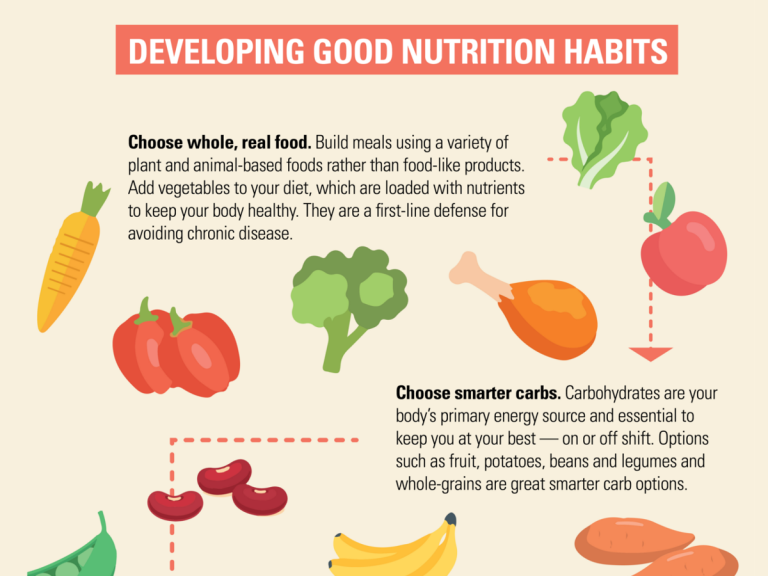
Balanced meals containing protein, healthy fats, fiber, and complex carbohydrates generally support more stable energy levels. Foods such as eggs, oats, lean meats, vegetables, fruits, yogurt, nuts, and whole grains provide slower and more consistent energy release compared to heavily processed alternatives.
Hydration is another major factor affecting productivity. Mild dehydration can contribute to headaches, fatigue, poor concentration, and irritability. Many people mistakenly interpret dehydration symptoms as hunger or tiredness. Drinking enough water throughout the day supports mental clarity, physical performance, and overall energy stability.
Physical activity also plays a critical role in maintaining productivity and mood. Many Americans spend long hours sitting at desks, driving, or using digital devices, which can reduce circulation, increase stiffness, and contribute to mental fatigue. Regular movement helps improve energy, focus, and stress management even when workouts are relatively short.
Exercise stimulates blood flow, supports better sleep, and encourages the release of chemicals associated with improved mood and mental clarity. Walking, strength training, stretching, cycling, and other forms of movement can all positively affect productivity levels. Even brief movement breaks during the workday may improve concentration and reduce mental exhaustion.
Stress management has become increasingly important in modern lifestyles. Chronic stress affects sleep quality, appetite, emotional balance, and physical health. Many people attempt to push through stress without recovery, which can eventually lead to burnout, anxiety, and reduced work performance.
Workplace pressure, financial concerns, social expectations, and constant digital connectivity contribute to rising stress levels across the United States. Smartphones and social media make it difficult for many individuals to mentally disconnect from work or external pressures, even during personal time.
Emotional health and productivity are deeply connected. People experiencing ongoing stress or emotional exhaustion often struggle with focus, motivation, decision-making, and creativity. Healthy coping habits such as exercise, social connection, journaling, meditation, hobbies, or spending time outdoors can improve emotional resilience and mental clarity.
Alcohol consumption and smoking habits may also affect daily energy and sleep quality more than people realize. While some individuals use alcohol to relax after stressful days, excessive consumption can disrupt sleep cycles and reduce recovery quality overnight.
Another growing concern is multitasking overload. Constant notifications, emails, social media interruptions, and digital distractions reduce attention span and increase mental fatigue. Many people feel busy all day without actually being productive because their focus is repeatedly interrupted.
Small Lifestyle Improvements Can Create Long-Term Productivity Benefits
One of the biggest misconceptions about productivity and energy is the belief that dramatic life changes are necessary for improvement. In reality, small and consistent lifestyle adjustments often create the most sustainable long-term benefits.
Improving sleep consistency is one of the most effective starting points. Going to bed slightly earlier, reducing late-night screen exposure, and maintaining a regular wake-up schedule can gradually improve energy levels and mental clarity. Many people notice better focus and mood after only a few nights of improved sleep habits.
Meal planning and healthier food preparation also support long-term productivity. Busy individuals who prepare balanced meals or healthy snacks ahead of time are less likely to rely on fast food or energy crashes caused by poor nutrition. Small improvements in eating habits can positively affect concentration, mood, and physical stamina.
Creating boundaries around technology use is another valuable strategy. Constant digital engagement prevents mental recovery and increases cognitive overload. Many Americans are now setting screen-time limits, turning off unnecessary notifications, or creating device-free routines during meals and before bedtime.
Workspace organization can also influence productivity and stress levels. Cluttered environments often create mental distractions and reduce efficiency. Organized workspaces, proper lighting, comfortable seating, and reduced distractions can improve focus and comfort during long work sessions.
Time management habits strongly affect mental energy as well. Overcommitting schedules and constantly rushing between tasks create chronic stress and exhaustion. Productivity often improves when people prioritize tasks realistically instead of trying to multitask continuously.
Social relationships and personal support systems also contribute to emotional energy. Spending time with supportive friends, family members, or communities can reduce stress and improve mental resilience. Isolation and loneliness, on the other hand, may negatively affect mood and motivation.
Outdoor exposure and natural light have become increasingly important topics in wellness discussions. Spending time outside during daylight hours supports circadian rhythm regulation, mood balance, and mental recovery. Even short outdoor walks can improve focus and reduce feelings of mental fatigue.
Modern lifestyles often encourage constant stimulation and nonstop activity, but recovery is essential for sustainable performance. Rest days, hobbies, relaxation, and downtime are not signs of laziness. They are important parts of maintaining long-term energy and productivity.
Another important factor is self-awareness. Many people continue unhealthy routines because they become normalized over time. Tracking sleep, stress levels, hydration, screen time, and daily habits can help individuals identify patterns that affect their performance and well-being.
Lifestyle choices influence nearly every aspect of daily life, from physical energy and sleep quality to emotional balance and work productivity. While modern responsibilities can make healthy routines challenging, small consistent improvements often produce meaningful long-term results. By developing healthier habits around sleep, nutrition, movement, stress management, and digital balance, individuals can improve both their daily performance and overall quality of life.