
Nutrition Mistakes People Make When Trying to Eat Healthy
Healthy eating has become one of the most discussed lifestyle topics in the United States. Social media influencers, diet trends, fitness programs, wellness podcasts, and nutrition apps constantly encourage people to improve their eating habits. While many Americans genuinely want to eat healthier, confusion about nutrition often leads to mistakes that can slow progress, create frustration, or even negatively affect overall health.
One of the biggest problems is that nutrition advice online is often conflicting. Some diets promote eliminating carbohydrates, while others focus on high protein intake, plant-based eating, intermittent fasting, or calorie restriction. Many people attempt to follow extreme trends without fully understanding their nutritional needs or lifestyle requirements. As a result, they may feel tired, hungry, overwhelmed, or discouraged despite trying to make healthier choices.
Healthy eating is not about perfection or strict dieting. Sustainable nutrition habits usually come from balance, consistency, and realistic decision-making. Understanding common mistakes can help individuals develop healthier relationships with food while avoiding unnecessary restrictions and confusion.
Many People Focus Too Much on Diet Trends Instead of Balanced Nutrition
One of the most common nutrition mistakes is chasing popular diet trends without considering long-term sustainability. Americans are constantly exposed to new eating plans promising rapid weight loss, increased energy, or dramatic health improvements. While some diets may offer short-term results, many are difficult to maintain and may create unhealthy eating patterns.
Extreme calorie restriction is one major issue. Many people believe eating as little as possible is the fastest way to improve health or lose weight. However, consuming too few calories can reduce energy levels, slow metabolism, increase cravings, and make it harder to maintain healthy habits over time. Busy professionals and active individuals especially need enough nutrients and calories to support daily activity and mental focus.
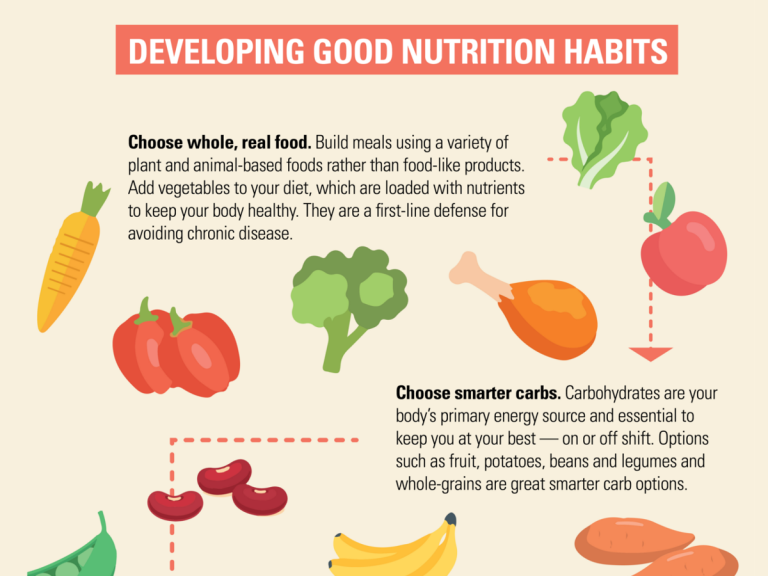
Another mistake is completely eliminating entire food groups without medical necessity. Carbohydrates are often unfairly viewed as unhealthy, leading many people to avoid foods such as rice, oats, potatoes, fruit, and whole grain bread. In reality, healthy carbohydrates provide important energy, fiber, and nutrients when consumed in balanced portions.
Similarly, some individuals become overly afraid of dietary fats. While heavily processed and trans fats should be limited, healthy fats from foods such as nuts, avocados, olive oil, salmon, and seeds support brain function, hormone balance, and heart health. Eliminating fats entirely can negatively affect overall nutrition and meal satisfaction.
Protein-focused diets are also increasingly popular in the United States, but excessive focus on protein sometimes leads people to neglect fiber-rich foods such as vegetables, fruits, and whole grains. Balanced meals are generally more sustainable and nutritionally complete than highly restrictive eating plans centered around one nutrient.
Another major mistake involves relying too heavily on “healthy” processed foods. Grocery stores are filled with protein bars, low-carb snacks, sugar-free desserts, and wellness drinks marketed as nutritious options. However, many of these products are still highly processed and may contain excessive sodium, artificial sweeteners, or hidden sugars.
Consumers also frequently misunderstand portion sizes. Even healthy foods can contribute to overeating if portions become excessive. Nuts, smoothies, granola, and nut butters are nutritious, but they are also calorie-dense. Many people unintentionally consume more calories than expected because they assume healthy foods can be eaten without limits.
Meal skipping is another common problem, especially among busy working professionals. Skipping breakfast or lunch may seem like a simple way to reduce calorie intake, but it often leads to overeating later in the day. Long gaps without food can increase hunger, reduce concentration, and encourage unhealthy snacking or fast-food cravings.
People also sometimes prioritize supplements over actual food quality. Vitamins and protein powders can support certain nutritional needs, but they should not replace balanced meals built around whole foods. Real foods generally provide a wider range of nutrients, fiber, and long-term health benefits than supplements alone.
Misleading Marketing and Emotional Eating Often Create Unhealthy Habits
Modern food marketing plays a major role in shaping consumer behavior. Many products are advertised using labels such as natural, organic, gluten-free, keto-friendly, low-fat, or high-protein, which can create the impression that they are automatically healthy. However, marketing terms do not always reflect overall nutritional quality.
Low-fat products are one example of this issue. For decades, many Americans associated low-fat foods with healthier eating. However, manufacturers often replaced fat with added sugars or artificial ingredients to improve taste. As a result, some low-fat products may not actually provide better nutrition.
Smoothies and juice drinks are another area where confusion commonly occurs. While fruit-based drinks can contain vitamins and antioxidants, many commercially prepared smoothies and juices also contain large amounts of sugar and calories. Portion size matters significantly, especially when beverages are consumed quickly without creating long-lasting fullness.
Restaurant meals marketed as healthy can also be misleading. Salads, wraps, grain bowls, and smoothies may appear nutritious but sometimes contain hidden calories from dressings, sauces, oils, cheese, and oversized portions. Many people underestimate how restaurant preparation methods affect overall nutrition.
Emotional eating is another major challenge affecting healthy eating habits. Stress, boredom, anxiety, and fatigue often influence food choices more than hunger itself. Busy schedules and work-related pressure can encourage people to rely on comfort foods, sugary snacks, or late-night eating as coping mechanisms.
Social media also contributes to unrealistic nutrition expectations. Influencers often promote highly restrictive meal plans, detoxes, or dramatic body transformations that may not reflect healthy or sustainable lifestyles. Comparing personal progress to heavily edited online content can create frustration and unhealthy relationships with food.
Another mistake involves treating healthy eating as temporary instead of developing consistent habits. Many people follow strict diets for short periods before returning to previous eating behaviors. Sustainable nutrition usually comes from gradual lifestyle adjustments rather than extreme short-term restrictions.
Hydration is another overlooked aspect of healthy eating. Many individuals focus heavily on food choices while ignoring water intake. Dehydration can contribute to fatigue, headaches, poor concentration, and unnecessary snacking because thirst is sometimes mistaken for hunger.
Late-night snacking has also become increasingly common due to screen time, stress, and irregular sleep schedules. While occasional evening snacks are not necessarily harmful, constant nighttime eating of highly processed foods can negatively affect calorie balance and digestion.
Busy families sometimes struggle with convenience-driven eating patterns as well. Fast food, frozen meals, and packaged snacks often become default choices because they save time. While convenience foods can fit into balanced lifestyles occasionally, relying on them too heavily may reduce overall nutritional quality.
Children’s eating habits are also strongly influenced by adult behavior. Parents who constantly diet, label foods as “good” or “bad,” or use food as emotional reward systems may unintentionally create unhealthy attitudes toward eating. Balanced nutrition education and moderation are generally more effective than strict food rules.
Sustainable Nutrition Habits Matter More Than Perfection
One of the healthiest mindset shifts people can make is understanding that nutrition is about long-term consistency rather than perfection. Many individuals become discouraged after eating unhealthy meals or breaking strict diet rules, leading to cycles of guilt and overeating. In reality, occasional indulgences are normal and do not erase overall healthy habits.
Meal balance is more important than extreme restriction. Meals containing protein, fiber, healthy fats, and complex carbohydrates generally provide better energy and satisfaction than highly restrictive eating patterns. Balanced meals also reduce cravings and improve long-term adherence to healthy habits.
Preparation and planning are critical for busy lifestyles. People who keep healthy foods accessible are more likely to make nutritious choices during stressful or hectic days. Simple habits such as preparing lunches, stocking healthy snacks, or cooking extra portions for leftovers can significantly improve eating consistency.
Cooking at home also helps individuals gain more control over ingredients and portion sizes. Restaurant meals and takeout foods often contain more sodium, sugar, and unhealthy fats than home-cooked alternatives. Even basic cooking skills can support healthier eating while reducing food expenses.
Flexibility is another important part of sustainable nutrition. Social events, holidays, vacations, and busy workweeks are part of real life. Healthy eating plans that allow flexibility are generally easier to maintain than rigid systems that create stress around food choices.
Sleep and stress management also influence nutrition more than many people realize. Poor sleep can increase cravings for high-calorie foods and disrupt hunger hormones. Chronic stress may encourage emotional eating and reduce motivation for healthy meal preparation.
Mindful eating has become increasingly important in modern lifestyles filled with distractions. Many Americans eat meals while working, driving, watching television, or scrolling through phones. Eating more slowly and paying attention to hunger cues can improve portion awareness and meal satisfaction.
Nutrition goals should also reflect individual needs rather than social trends. Athletes, office workers, parents, students, and older adults all have different dietary requirements based on activity levels, health conditions, and lifestyles. Personalized balance is usually more effective than blindly following generalized diet advice.
Healthy eating should support physical health, mental well-being, energy levels, and long-term sustainability rather than creating constant stress or restriction. Small improvements practiced consistently often produce better results than extreme short-term diets. By avoiding common nutrition mistakes and focusing on realistic habits, individuals can create healthier lifestyles that feel practical, enjoyable, and sustainable over time.