
Beginner’s Guide to Building a Healthier Lifestyle Through Small Daily Changes
Many people in the United States want to live healthier lives, but the idea of completely changing daily habits can feel overwhelming. Social media, fitness culture, and wellness trends often promote extreme diets, intense workout routines, and unrealistic lifestyle transformations that are difficult to maintain long term. As a result, many beginners start with high motivation but quickly lose consistency when changes feel too restrictive or exhausting.
In reality, building a healthier lifestyle usually happens through small and sustainable improvements rather than dramatic overnight changes. Simple habits repeated consistently over time can significantly improve physical health, mental well-being, energy levels, sleep quality, and overall productivity. Small daily choices may seem unimportant individually, but together they shape long-term health outcomes and lifestyle patterns.
A healthier lifestyle does not require perfection. It is about gradually creating routines that support better nutrition, movement, sleep, stress management, and emotional balance in ways that realistically fit everyday life. Beginners who focus on manageable progress often build stronger long-term habits than those attempting extreme transformations.
Small Changes in Nutrition and Daily Movement Create Strong Foundations
One of the easiest ways to begin improving overall health is by focusing on simple nutrition habits. Many Americans assume healthy eating requires strict dieting or expensive wellness products, but sustainable improvements often begin with small adjustments to everyday meals and routines.
Drinking more water is one of the simplest and most effective lifestyle changes. Proper hydration supports energy levels, digestion, concentration, and overall body function. Many people unintentionally spend much of the day mildly dehydrated, which can contribute to fatigue, headaches, and low productivity. Carrying a reusable water bottle or setting hydration reminders can help create more consistent habits.
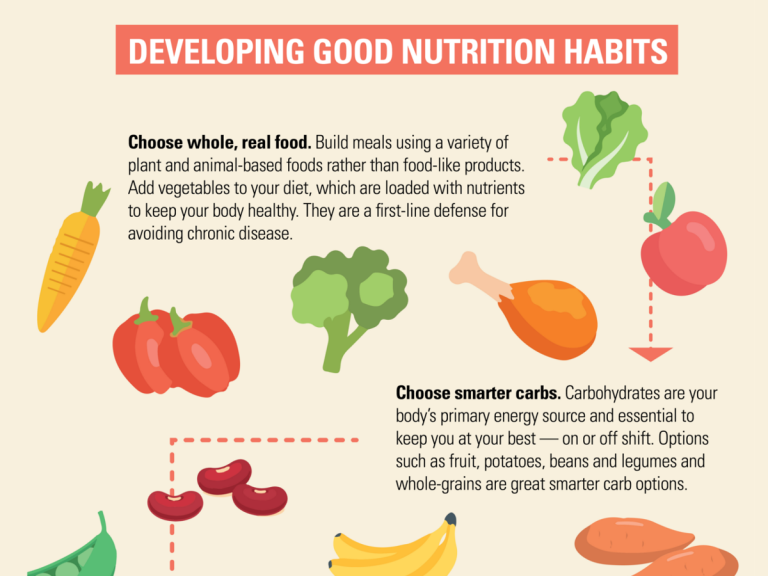
Adding more fruits and vegetables to meals is another practical starting point. Instead of completely changing eating patterns overnight, beginners often succeed by gradually improving meal balance. Adding vegetables to sandwiches, including fruit with breakfast, or replacing heavily processed snacks with healthier alternatives can improve nutrition without feeling overly restrictive.
Home cooking also plays an important role in healthier living. Preparing meals at home allows people to control ingredients, portion sizes, and cooking methods more effectively than relying heavily on restaurant meals or takeout food. Beginners do not need advanced cooking skills to benefit from simple home-prepared meals such as salads, grilled proteins, rice bowls, soups, or pasta dishes with vegetables.
Portion awareness is another valuable habit. Many modern restaurant meals and packaged foods contain oversized portions that encourage overeating. Paying attention to hunger cues and eating more slowly can help improve portion control naturally without strict calorie counting.
Reducing sugary drinks is another common starting point for healthier living. Sodas, energy drinks, and heavily sweetened beverages contribute large amounts of added sugar without providing significant nutritional value. Replacing some sugary drinks with water, sparkling water, or unsweetened beverages can support better energy and overall health.
Daily movement is equally important, especially for people with sedentary lifestyles. Many Americans spend long hours sitting at desks, driving, or using screens, which can negatively affect physical health and energy levels. Beginners often benefit more from consistent light movement than from overly intense exercise routines that are difficult to maintain.
Walking is one of the most accessible forms of physical activity. Short daily walks can improve circulation, mood, cardiovascular health, and stress management. Walking after meals, taking stairs more often, or parking farther away during errands are small habits that increase daily movement naturally.
Stretching and mobility exercises are also valuable, particularly for people who spend long hours working at computers or sitting throughout the day. Simple stretching routines may help reduce stiffness, improve posture, and support better physical comfort.
Strength training has also become increasingly popular because it supports long-term health, mobility, and energy levels. Beginners do not need expensive gym memberships to start building strength. Bodyweight exercises, resistance bands, or light dumbbells can help improve muscle tone and overall fitness gradually.
One important lesson for beginners is avoiding all-or-nothing thinking. Missing one workout or eating an unhealthy meal does not ruin progress. Long-term health improvements usually come from consistency rather than perfection.
Sleep, Stress Management, and Mental Health Strongly Affect Well-Being
Physical health is only one part of a healthier lifestyle. Sleep quality, stress management, emotional health, and mental balance also strongly influence energy, focus, and long-term well-being. Many people attempt to improve diet and exercise while ignoring habits that affect mental recovery and emotional stability.
Sleep is one of the most important yet neglected areas of modern health. Busy schedules, late-night screen time, work stress, and digital distractions often interfere with proper rest. Poor sleep affects concentration, mood, energy levels, appetite regulation, and physical recovery.
Creating healthier sleep routines can significantly improve overall well-being. Going to bed at consistent times, reducing screen exposure before sleep, and creating a more relaxing nighttime environment are simple but effective changes. Even small improvements in sleep quality can positively affect mood and productivity during the day.
Stress management has also become increasingly important in modern American lifestyles. Constant work demands, financial pressure, social media exposure, and nonstop digital connectivity contribute to rising stress levels for many individuals. Chronic stress can negatively affect both physical and mental health over time.
One helpful habit is creating short moments of mental recovery during the day. Taking brief breaks from screens, stepping outside, practicing deep breathing, or simply slowing down for a few minutes can help reduce mental fatigue. Many people underestimate how much constant stimulation affects stress and concentration.
Mindfulness practices are also becoming more mainstream because they encourage greater awareness and emotional balance. Beginners do not need long meditation sessions to benefit. Simple habits such as mindful breathing, journaling, or focusing fully on one activity at a time can improve emotional clarity and reduce stress.
Social connections also play a major role in overall wellness. Spending time with supportive friends, family members, or communities helps improve emotional health and reduce feelings of isolation. Healthy lifestyles are often easier to maintain when people feel supported rather than trying to change habits completely alone.
Limiting excessive social media use can also improve mental well-being. Constant exposure to unrealistic lifestyles, productivity pressure, and comparison culture often creates unnecessary stress and dissatisfaction. Many Americans are now becoming more intentional about digital boundaries and screen-time management.
Mental health and physical health are deeply connected. People who feel emotionally exhausted or overwhelmed often struggle with motivation, sleep quality, eating habits, and physical activity. Developing healthier coping habits is an important part of building sustainable wellness routines.
Relaxation and hobbies should not be overlooked either. Activities such as reading, gardening, music, art, cooking, or spending time outdoors provide mental recovery and enjoyment that support emotional balance. Modern productivity culture sometimes encourages nonstop work, but recovery is essential for long-term health.
Another important habit is practicing self-compassion during lifestyle changes. Many beginners become discouraged when progress feels slow or inconsistent. Sustainable improvement usually involves setbacks, adjustments, and gradual learning rather than perfect execution from the beginning.
Consistency and Realistic Habits Lead to Long-Term Lifestyle Improvements
One of the biggest reasons people struggle with healthy lifestyle changes is trying to do too much too quickly. Extreme diets, unrealistic workout schedules, and rigid routines often create burnout and frustration. Small, manageable habits are usually far more effective because they are easier to maintain long term.
Creating routines around existing habits can make change feel more natural. For example, drinking water after waking up, walking after dinner, stretching before bed, or preparing lunch the night before are simple actions that fit easily into daily life. Habit stacking helps new behaviors become more automatic over time.
Planning ahead is another important strategy. Healthy choices become easier when nutritious foods, workout clothes, or daily schedules are prepared in advance. Busy lifestyles often lead people to default to convenience and unhealthy habits when planning is absent.
Tracking progress can also improve motivation. Many people benefit from simple habit tracking, journaling, or fitness apps that help visualize consistency over time. Tracking does not need to be obsessive. Even small reminders of progress can encourage continued effort.
Environment also strongly influences lifestyle habits. Keeping healthier foods visible, organizing living spaces, reducing clutter, and creating comfortable workout or relaxation areas can support positive routines naturally. Small environmental changes often reduce the effort required to make healthier choices.
Financial wellness is another overlooked part of healthy living. Overspending, debt stress, and poor budgeting habits can negatively affect mental health and lifestyle stability. Many people now recognize the connection between financial organization and overall well-being.
Healthy living also looks different for every individual. Age, work schedules, family responsibilities, physical ability, and personal goals all affect what routines are realistic and sustainable. Comparing personal progress to others often creates unnecessary pressure and discouragement.
Flexibility is important because life circumstances constantly change. Vacations, stressful work periods, social events, and unexpected challenges are part of normal life. Sustainable health habits allow room for balance instead of requiring constant perfection.
Celebrating small improvements can also help maintain motivation. Better sleep, increased energy, healthier meals, or more consistent movement are meaningful achievements even if results feel gradual. Long-term health is built through repeated small successes rather than dramatic short-term transformations.
A healthier lifestyle is ultimately about creating routines that improve physical health, emotional balance, energy, and overall quality of life in realistic ways. Small daily changes may not feel dramatic at first, but over time they can create powerful improvements in well-being, confidence, productivity, and long-term health. By focusing on consistency instead of perfection, beginners can build healthier lifestyles that remain sustainable for years rather than temporary changes that quickly disappear.