Affordable Fashion Trends That Look Premium Without Breaking Your Budget
Fashion in the United States has shifted significantly in recent years. Instead of chasing luxury labels and expensive designer pieces, many consumers are focusing on affordable fashion that still looks polished, stylish, and high-end. Social media, online shopping, and changing lifestyle priorities have made people more interested in practical style choices that combine comfort, versatility, and value.
Modern fashion trends are increasingly centered around clean aesthetics, timeless silhouettes, and smart styling rather than flashy branding. Many Americans now realize that looking fashionable does not require spending thousands of dollars on clothing. With thoughtful shopping habits and attention to detail, affordable outfits can appear sophisticated and premium without creating financial stress.
The rise of minimalist fashion, capsule wardrobes, thrift shopping, and neutral color palettes has also made budget-friendly style more accessible. Consumers are becoming smarter about how they shop, choosing versatile pieces that can be styled in multiple ways rather than constantly buying trend-driven clothing with short lifespans.
Affordable fashion today is not just about finding cheap clothes. It is about understanding fit, fabric, styling, and shopping strategies that create a polished appearance while remaining financially practical.
Simple and Timeless Clothing Styles Often Look More Expensive
One of the biggest secrets to making affordable fashion look premium is choosing simple and timeless styles instead of overly trendy designs. Clothing with clean lines, neutral colors, and minimal branding often appears more sophisticated than heavily patterned or logo-covered items.
Neutral tones such as black, white, beige, gray, navy, olive, and brown continue to dominate affordable fashion trends in the United States because they create a refined and versatile appearance. These colors are easier to mix and match, allowing consumers to build multiple outfits with fewer pieces.
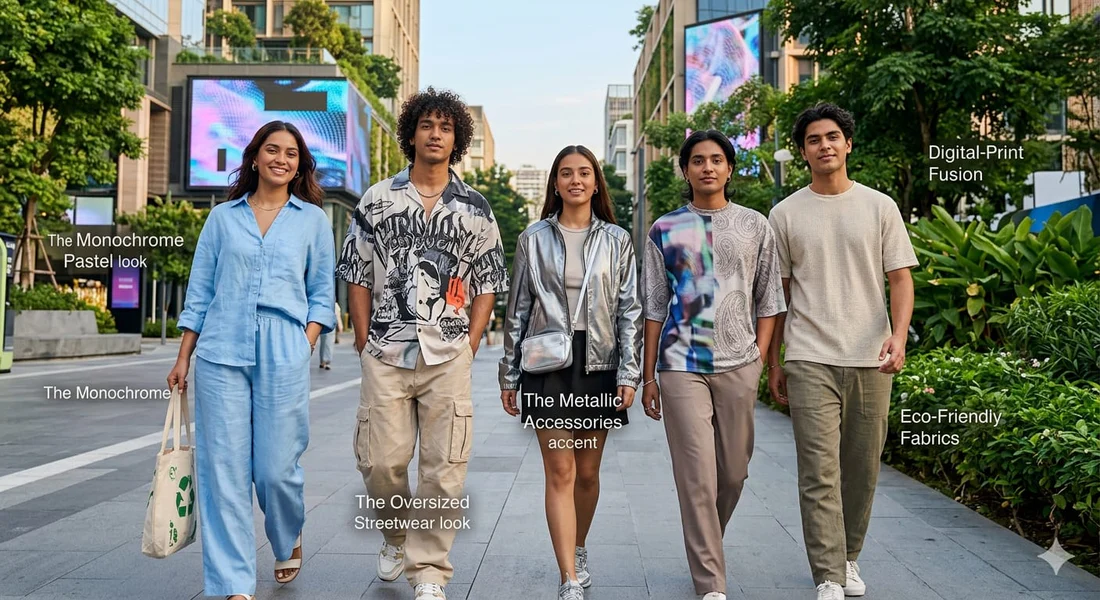
Monochromatic outfits are especially popular because they create a polished and elevated look without requiring expensive clothing. Wearing similar tones from head to toe can make outfits appear more intentional and fashionable even when individual items are budget-friendly.
Oversized blazers remain one of the strongest affordable fashion trends in 2026. A structured blazer instantly upgrades casual outfits and creates a more premium appearance. Many Americans pair blazers with jeans, sneakers, trousers, or dresses for versatile looks that work across professional and casual settings.
Wide-leg trousers and relaxed-fit pants have also become increasingly popular because they combine comfort with sophistication. Compared to overly tight or heavily distressed clothing, clean-cut trousers often appear more elegant and timeless.
Matching sets are another affordable trend that creates a high-end appearance. Coordinated loungewear sets, knitwear combinations, or matching tops and bottoms make outfits look intentional and stylish with minimal effort. These sets are especially popular among remote workers and travelers seeking both comfort and style.
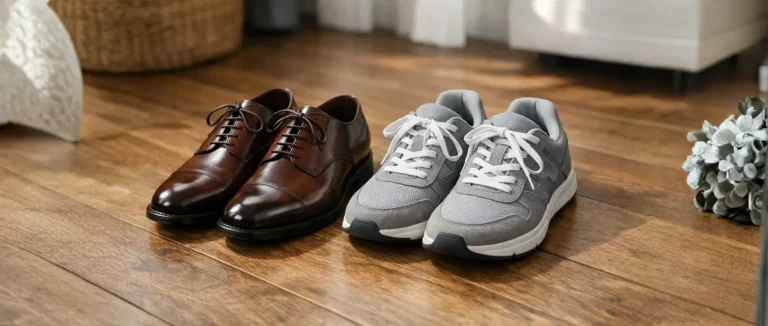
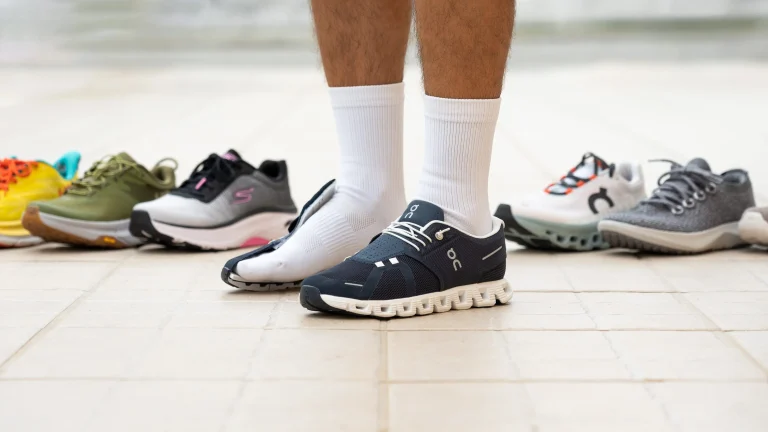
Minimalist sneakers continue to dominate everyday fashion. Simple white sneakers, neutral-toned athletic shoes, and clean leather-inspired designs work with a wide range of outfits while maintaining a modern aesthetic. Many affordable footwear brands now offer styles inspired by luxury trends at significantly lower prices.
Basic layering pieces are also becoming more important in modern wardrobes. Lightweight sweaters, cardigans, trench coats, and denim jackets help create stylish layered outfits without needing excessive clothing. Americans increasingly value versatile pieces that transition easily between seasons.
Texture and fabric choice can also dramatically affect how affordable clothing looks. Knit fabrics, linen blends, faux leather, ribbed materials, and structured cotton often create a more expensive appearance compared to thin or poorly constructed fabrics. Even simple outfits can look elevated when materials appear durable and well-finished.
Accessories play a major role in affordable fashion as well. Structured handbags, simple jewelry, sunglasses, belts, and watches help complete outfits and add sophistication. Many consumers now focus on understated accessories rather than flashy statement pieces because subtle styling often looks more refined.
Smart Shopping Habits Help Create Stylish Looks on a Budget
Looking fashionable on a budget requires strategic shopping rather than constant spending. Many Americans are learning how to shop more intentionally by focusing on value, versatility, and long-term wearability instead of impulsive purchases.
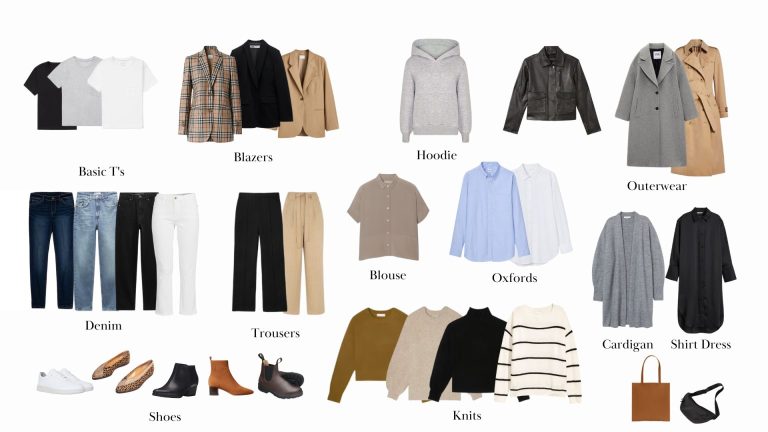
One of the smartest shopping habits is prioritizing wardrobe staples before trend items. Well-fitted jeans, neutral tops, classic jackets, versatile shoes, and quality outerwear provide a strong foundation for stylish outfits. Once these basics are established, smaller trend pieces can be added without overwhelming the wardrobe.
Thrift shopping and secondhand fashion have become increasingly popular across the United States. Vintage stores, online resale platforms, and local thrift shops allow shoppers to find unique and high-quality pieces at lower prices. Many people now purchase premium brands secondhand to achieve luxury-inspired looks affordably.
Seasonal sales are another important strategy for budget-conscious fashion shoppers. End-of-season clearances, outlet stores, and holiday discounts often provide opportunities to buy quality items at significantly reduced prices. Smart consumers frequently shop ahead for future seasons rather than purchasing items at full price during peak demand.
Fit is one of the most important factors affecting how clothing looks. Even inexpensive clothing can appear polished when it fits properly. Simple tailoring adjustments such as hemming pants or adjusting sleeves can dramatically improve the overall appearance of affordable garments.
Many consumers also avoid overbuying fast fashion trends that quickly become outdated. Instead of purchasing large amounts of low-quality clothing, people increasingly prefer fewer versatile items that can be worn repeatedly in different combinations.
Fabric inspection has also become an important shopping habit. Thin materials, poor stitching, and weak construction often make clothing appear cheaper regardless of style. Looking closely at seams, buttons, and fabric texture helps consumers identify pieces that will maintain their appearance longer.
Online shopping has made affordable fashion more accessible, but it also requires careful decision-making. Reading customer reviews, checking sizing charts, and examining product photos carefully can reduce disappointing purchases and unnecessary returns.
Another growing trend is creating capsule wardrobes. A capsule wardrobe focuses on a smaller collection of versatile pieces that work together easily. This approach reduces clutter, saves money, and simplifies daily outfit decisions while maintaining a stylish appearance.
Rental fashion services have also become more popular for special occasions. Instead of purchasing expensive formalwear for one-time use, many Americans now rent dresses, suits, and accessories for weddings, parties, or events. This allows people to enjoy premium fashion experiences without long-term financial commitment.
Social media has also influenced shopping behavior significantly. While influencer culture can encourage overconsumption, many creators now focus on affordable styling, outfit repeating, and realistic fashion budgeting. Consumers increasingly value practical style inspiration over unattainable luxury lifestyles.
Confidence, Styling, and Personal Taste Matter More Than Price Tags
One of the biggest misconceptions about fashion is that expensive clothing automatically creates better style. In reality, confidence, styling choices, and personal presentation often matter more than the actual price of clothing.
Many premium-looking outfits rely on simplicity rather than excessive detail. Clean silhouettes, coordinated colors, and intentional styling often appear more elegant than outfits overloaded with trends or logos. Americans are increasingly embracing understated fashion that prioritizes comfort and versatility.
Grooming and clothing care also strongly influence overall appearance. Wrinkled fabrics, worn-out shoes, and poorly maintained clothing can make even expensive outfits look less polished. Proper steaming, folding, laundering, and shoe care help affordable clothing maintain a more refined appearance.
Confidence affects how outfits are perceived as well. People who feel comfortable and authentic in their clothing often appear more stylish regardless of brand or price point. Modern fashion increasingly values individuality and practicality rather than strict luxury standards.
The rise of casual and hybrid work environments has also reshaped fashion expectations in the United States. Comfortable clothing such as elevated loungewear, relaxed tailoring, and smart-casual pieces are now widely accepted in everyday life. This shift has made affordable fashion more practical and wearable.
Minimal jewelry and subtle accessories continue to trend because they complement a wide variety of outfits without overwhelming them. Small gold or silver pieces, simple handbags, and neutral shoes help create cohesive looks while remaining versatile across seasons.
Layering techniques can also make affordable outfits appear more sophisticated. Combining jackets, sweaters, scarves, and textured fabrics adds visual depth and structure to simple clothing combinations. Layering also allows consumers to reuse the same wardrobe pieces in multiple ways.
Color coordination is another powerful styling tool. Balanced color combinations often look more intentional and polished than random trend-driven outfits. Neutral bases combined with one accent color are especially popular because they create stylish yet wearable looks.
Consumers are also becoming more aware of sustainability and ethical fashion concerns. Many people now prefer buying fewer but more durable clothing items instead of constantly replacing cheaply made garments. This mindset supports both financial savings and more responsible consumption.
Fashion trends today increasingly emphasize practicality, versatility, and self-expression over status symbols. Affordable style is no longer viewed as inferior to luxury fashion because consumers have become more knowledgeable about styling, shopping strategies, and wardrobe building.
Affordable fashion trends that look premium are ultimately about making smart choices rather than spending excessively. By focusing on timeless pieces, proper fit, thoughtful styling, and intentional shopping habits, individuals can build stylish wardrobes that feel polished, modern, and versatile without exceeding their budgets.