Casual vs Formal Shoes: What Every Buyer Should Know Before Purchasing
Shoes are one of the most important parts of any wardrobe because they affect comfort, appearance, confidence, and practicality in daily life. In the United States, consumers now have more footwear options than ever before, ranging from athletic sneakers and casual loafers to dress shoes and hybrid business-casual designs. However, many buyers still struggle to understand the real differences between casual and formal shoes when making purchasing decisions.
Modern lifestyles have also blurred traditional fashion boundaries. Many workplaces now allow business-casual dress codes, and fashion trends increasingly mix formal and casual elements together. As a result, shoppers often wonder whether they should prioritize comfort, style, versatility, durability, or professional appearance when buying shoes.
Choosing the right shoes is not simply about fashion trends. The wrong footwear can affect posture, walking comfort, workplace appropriateness, and even long-term foot health. Understanding how casual and formal shoes differ in design, function, materials, and everyday use helps buyers make smarter purchasing decisions while building more versatile wardrobes.
Casual and Formal Shoes Serve Different Purposes in Everyday Life
One of the biggest differences between casual and formal shoes is the purpose they are designed to serve. Casual shoes prioritize comfort, flexibility, and everyday wear, while formal shoes focus more on polished appearance, structure, and professional presentation.
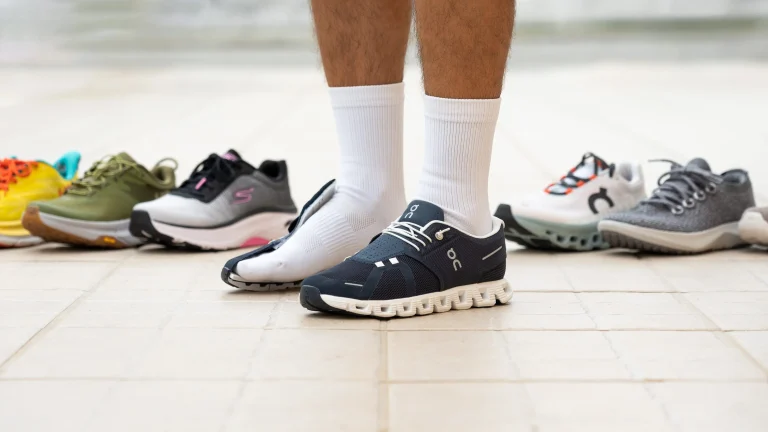
Casual shoes are generally designed for relaxed environments and extended daily use. Sneakers, slip-ons, loafers, casual boots, sandals, and lifestyle trainers are common examples. These shoes often feature softer materials, cushioned soles, breathable fabrics, and flexible construction to support walking and long hours of wear.
In recent years, casual footwear has become the dominant category in the American shoe market because modern lifestyles increasingly emphasize comfort and versatility. Remote work, hybrid offices, travel culture, and active daily routines have encouraged more people to prioritize supportive and comfortable footwear.
Sneakers especially have evolved far beyond athletic use. Many modern sneakers are designed specifically for everyday fashion and pair easily with jeans, joggers, shorts, and even semi-formal outfits. Minimalist sneakers in neutral colors have become particularly popular because they combine comfort with clean aesthetics.
Casual loafers and moccasins are also widely used because they provide a balance between relaxed style and slightly elevated appearance. They work well for smart-casual settings without feeling as rigid as traditional dress shoes.
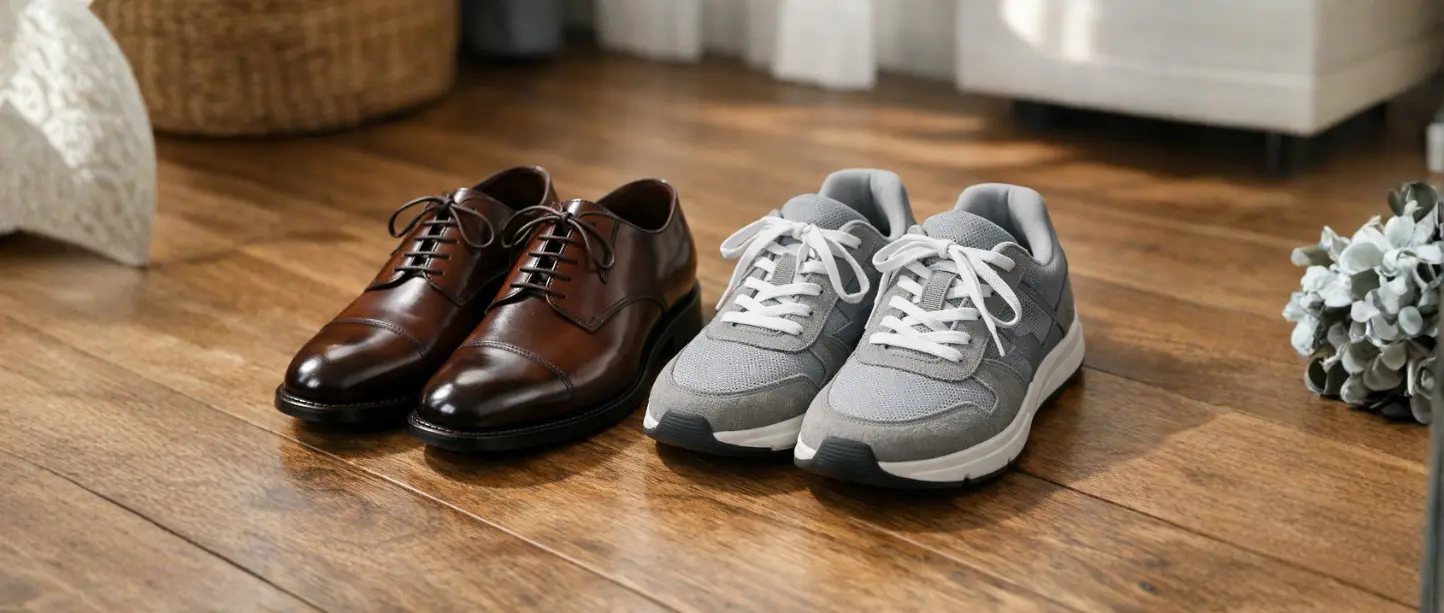
Formal shoes, on the other hand, are primarily designed for professional environments, ceremonies, business events, and occasions requiring polished presentation. Common formal shoe styles include Oxfords, Derbies, monk straps, dress loafers, and certain types of leather boots.
Formal footwear typically features more structured construction and sleeker silhouettes compared to casual shoes. Leather remains one of the most common materials used in formal shoes because it creates a refined and professional appearance while offering durability over time.
Traditional formal shoes usually prioritize elegance and visual sophistication over maximum cushioning or athletic-style comfort. However, modern footwear brands increasingly incorporate comfort technology into dress shoes to meet changing consumer expectations.
The sole structure also differs significantly between casual and formal footwear. Casual shoes often use thicker rubber soles for flexibility and shock absorption, while formal shoes tend to use thinner, smoother soles that emphasize sleek design and refined appearance.
Color choices are another major distinction. Casual footwear allows greater experimentation with colors, patterns, textures, and materials. Formal shoes generally remain more conservative, with black, brown, burgundy, and dark neutral tones dominating professional and formal settings.
Occasion suitability matters greatly when choosing between casual and formal footwear. Wearing athletic sneakers to a formal business meeting may appear unprofessional, while highly polished dress shoes might feel uncomfortable and unnecessary for casual daily activities.
Comfort, Materials, and Durability Should Guide Purchasing Decisions
Many buyers focus primarily on appearance when shopping for shoes, but comfort and material quality are equally important. Shoes affect posture, walking performance, foot health, and overall daily comfort, especially for people who spend long hours standing or walking.
Casual shoes are generally built with comfort-focused materials such as mesh fabrics, foam midsoles, knit uppers, and padded interiors. These materials improve breathability and flexibility, making casual shoes better suited for extended everyday wear.
Athletic-inspired casual shoes often include advanced cushioning technologies designed to reduce foot fatigue and support movement. This is especially valuable for commuters, travelers, healthcare workers, retail employees, and individuals with active lifestyles.
Formal shoes traditionally use leather, synthetic leather, suede, or polished materials that prioritize appearance and structure. Genuine leather remains highly valued because it molds gradually to the foot and can last for years with proper maintenance.
However, formal shoes sometimes require a break-in period before becoming fully comfortable. New leather dress shoes may initially feel stiff until the material softens through regular wear. Buyers should consider this when purchasing footwear for immediate long-duration use.
Arch support and cushioning vary widely across both categories. Some inexpensive dress shoes prioritize appearance at the expense of foot support, which can lead to discomfort during long workdays or formal events. Many modern consumers now seek dress shoes that include memory foam insoles, ergonomic support, or sneaker-inspired cushioning systems.
Durability is another major factor affecting shoe value. Cheaply made footwear may appear stylish initially but often loses structure, comfort, or sole integrity after limited use. Well-constructed shoes generally maintain comfort and appearance much longer.
Stitching quality, sole attachment, lining materials, and overall craftsmanship all influence durability. Buyers should inspect seams, flexibility, and material thickness before making purchases rather than focusing solely on brand reputation or discounts.
Weather conditions also affect shoe selection. Casual shoes often provide better traction and weather resistance for outdoor movement, while formal shoes may require additional care in rain, snow, or rough conditions. Leather dress shoes can become damaged if exposed repeatedly to moisture without proper maintenance.
Maintenance requirements are another important difference between casual and formal footwear. Casual sneakers usually require simple cleaning, while leather formal shoes often need polishing, conditioning, and proper storage to maintain appearance and longevity.
Versatility has become increasingly important in modern shoe shopping. Many Americans now prefer hybrid footwear styles that combine comfort with polished aesthetics. Business-casual sneakers, smart loafers, and modern leather trainers are growing in popularity because they transition easily between professional and casual environments.
Fit remains one of the most important factors regardless of shoe category. Poorly fitted shoes can cause blisters, fatigue, posture issues, and foot pain over time. Trying shoes with the same socks typically worn during use helps buyers evaluate fit more accurately.
Modern Fashion Trends Are Blending Casual and Formal Footwear Styles
Traditional dress codes have changed significantly over the past decade, especially in the United States. Modern fashion increasingly blends casual and formal elements together, creating more flexibility in footwear choices across workplaces and social environments.
Business-casual fashion has become one of the strongest influences on modern footwear trends. Many offices no longer require strictly formal dress shoes every day, allowing employees to wear cleaner and more comfortable styles such as leather sneakers, casual loafers, or minimalist trainers.
Luxury sneaker culture has also reshaped perceptions of casual footwear. Premium sneakers are now commonly paired with blazers, tailored trousers, and even formal-inspired outfits. This shift reflects broader cultural changes emphasizing comfort, individuality, and versatility.
Formal footwear itself has evolved as well. Modern dress shoes increasingly incorporate lightweight soles, flexible construction, and athletic-inspired comfort features. Consumers no longer want to sacrifice physical comfort simply to achieve professional appearance.
Minimalist fashion trends have also influenced shoe design. Clean lines, neutral colors, and understated styling dominate both casual and formal footwear categories because they create versatility and timeless appeal.
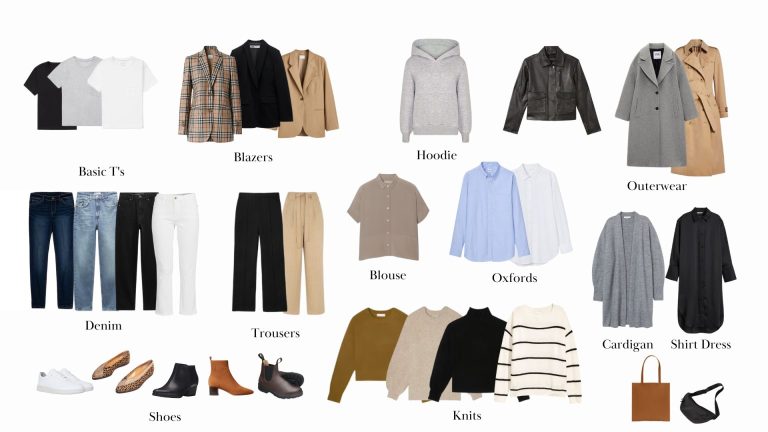
Another major trend is the rise of capsule wardrobes and simplified closets. Many consumers now prefer owning fewer shoes that work across multiple situations rather than maintaining large collections of highly specialized footwear. Versatile hybrid shoes support this lifestyle by adapting to both casual and semi-formal environments.
Sustainability awareness is also affecting footwear purchasing habits. Consumers increasingly look for durable shoes made from quality materials instead of frequently replacing cheap fast-fashion footwear. Brands focusing on ethical production and long-lasting construction are gaining more attention among younger shoppers.
Online shopping has made footwear more accessible, but it also creates challenges related to sizing and comfort evaluation. Reading customer reviews carefully and understanding return policies are especially important when purchasing shoes online.
Social media and influencer culture continue to shape shoe trends, but practical concerns such as comfort and versatility are becoming more important than purely trend-driven purchases. Many Americans now prioritize shoes that support daily lifestyles instead of only following seasonal fashion trends.
Travel habits also influence modern footwear preferences. People increasingly seek shoes that combine style, comfort, and portability for commuting, vacations, and business trips. Lightweight hybrid designs that work across multiple settings are especially attractive for travelers.
Choosing between casual and formal shoes ultimately depends on lifestyle, work environment, comfort needs, and personal style preferences. Casual shoes provide flexibility and everyday comfort, while formal shoes create polished and professional appearances for business and special occasions. Understanding the strengths, limitations, and evolving trends within both categories helps buyers invest in footwear that supports both practicality and long-term style.