How to Pick the Right Cookware for Healthy and Efficient Cooking
Cookware plays a major role in how people cook, how food tastes, and even how healthy meals can become. In the United States, more consumers are paying attention to cookware materials, durability, cooking performance, and safety rather than simply choosing the cheapest pots and pans available. As home cooking continues to grow in popularity, many households are upgrading their kitchens with cookware that supports healthier eating habits and more efficient meal preparation.
Choosing cookware can feel overwhelming because modern stores and online marketplaces offer countless options. Stainless steel, cast iron, ceramic, nonstick, copper, carbon steel, and hard-anodized cookware all have different strengths, maintenance requirements, and cooking characteristics. Marketing claims about “healthy cookware” and “non-toxic cooking” also create confusion for many shoppers trying to make informed decisions.
The best cookware is not necessarily the most expensive. Good cookware should match cooking habits, kitchen needs, lifestyle preferences, and maintenance comfort levels. Understanding how different cookware materials perform can help consumers choose safer, more durable, and more practical kitchen tools for everyday use.
Different Cookware Materials Affect Cooking Performance and Food Quality
One of the most important factors when choosing cookware is understanding how different materials conduct and retain heat. Cooking performance directly affects meal quality, cooking efficiency, and even nutritional outcomes.
Stainless steel remains one of the most popular cookware choices in American kitchens because it is durable, versatile, and resistant to rust or staining. High-quality stainless steel cookware works well for sautéing, boiling, browning, and simmering. Many professional chefs prefer stainless steel because it handles high temperatures effectively and lasts for many years with proper care.
However, pure stainless steel is not always the best heat conductor by itself. That is why many premium stainless steel pots and pans include aluminum or copper cores that improve heat distribution. Even heating helps prevent hot spots that can burn food or cook meals unevenly.
Nonstick cookware is another widely used option because it simplifies cooking and cleanup. Eggs, pancakes, fish, and delicate foods are easier to cook with minimal oil on nonstick surfaces. Busy households often appreciate how convenient nonstick pans are for quick everyday meals.
Modern nonstick cookware has improved significantly compared to older generations, but quality still matters. Lower-quality coatings may scratch, chip, or wear down quickly if used improperly. Consumers should avoid overheating nonstick cookware and use non-metal utensils to preserve coating lifespan.
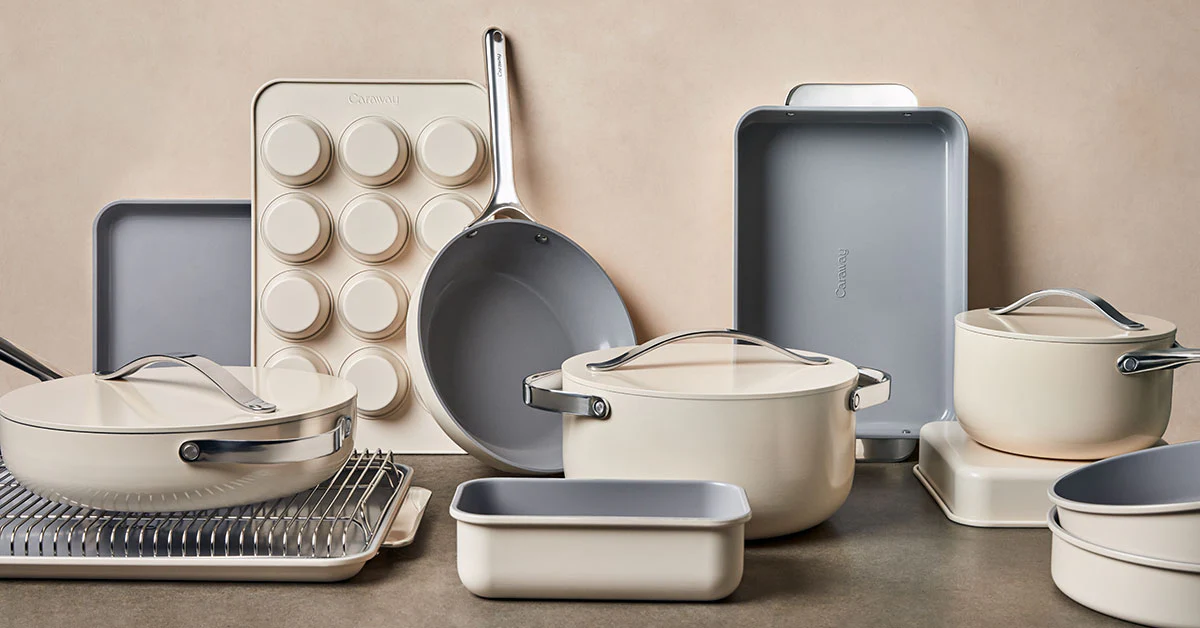
Ceramic-coated cookware has also become increasingly popular among health-conscious shoppers seeking alternatives to traditional nonstick surfaces. Ceramic cookware often appeals to consumers because it is marketed as free from certain synthetic chemicals commonly associated with older nonstick coatings. Many people appreciate its smooth cooking surface and easy cleaning.
Cast iron cookware continues to remain highly respected for durability and heat retention. Cast iron skillets can last for decades or even generations when maintained properly. They are excellent for searing, frying, baking, and high-temperature cooking. Many home cooks also value cast iron for its ability to move from stovetop to oven easily.
Seasoned cast iron develops natural nonstick properties over time, but it requires regular maintenance. Some beginners find cast iron intimidating because it must be dried carefully and periodically re-seasoned to prevent rusting.
Enameled cast iron offers some of the benefits of traditional cast iron while requiring less maintenance. Dutch ovens made from enameled cast iron are especially popular for soups, stews, braising, and slow cooking. They retain heat exceptionally well and provide even cooking performance.
Carbon steel cookware has also gained popularity among home cooks and professional chefs. It combines some benefits of stainless steel and cast iron while remaining lighter in weight. Carbon steel pans are especially valued for high-heat cooking, stir-frying, and developing strong sears on meats and vegetables.
Copper cookware is admired for its excellent heat responsiveness and precise temperature control. However, copper cookware is often more expensive and requires additional maintenance compared to other materials. Many copper pans also include stainless steel linings to improve food safety and practicality.
Healthy Cooking Depends on More Than Just the Cookware Material
Many cookware advertisements focus heavily on “healthy” or “non-toxic” claims, but healthy cooking depends on multiple factors beyond cookware alone. Cooking habits, temperature control, ingredient choices, and cookware maintenance all influence kitchen safety and meal quality.
One important consideration is avoiding damaged cookware. Scratched nonstick surfaces, chipped coatings, warped pans, or rusted cookware may reduce performance and potentially create safety concerns over time. Replacing heavily damaged cookware is generally recommended rather than continuing to use worn-out pieces.
Heat control is also essential for healthy cooking. Excessively high temperatures can damage some cookware coatings and negatively affect food quality. Moderate heat often produces better cooking results while preserving nutrients and reducing the risk of burning oils or food.
The type of cooking people do most often should influence cookware choices. Individuals who prepare stir-fries, grilled meats, or high-heat dishes may benefit from stainless steel, cast iron, or carbon steel. Those who frequently cook eggs, pancakes, or delicate foods may prefer quality nonstick or ceramic pans for convenience.
Oil usage is another factor related to healthy cooking. Certain cookware types allow food to cook effectively with smaller amounts of oil, which may support lower-fat meal preparation. However, healthy fats such as olive oil or avocado oil can still play an important role in balanced cooking.
Cookware size and shape also matter more than many consumers realize. Oversized pans can waste energy and heat unevenly on smaller burners, while undersized cookware may overcrowd food and reduce cooking quality. Matching cookware size to typical meal portions improves both efficiency and cooking consistency.
Lids are another often overlooked feature. Well-fitting lids help retain moisture, reduce cooking times, and improve energy efficiency. They are especially useful for steaming vegetables, simmering soups, and preparing grains.
Induction cooking compatibility has also become increasingly important as more American households adopt induction stovetops. Not all cookware works on induction surfaces, so shoppers should verify compatibility before purchasing new pots and pans.
Weight and handle comfort also influence cooking experience. Heavy cookware may retain heat well but can feel difficult to lift or maneuver, especially for older adults or individuals with wrist discomfort. Comfortable, heat-resistant handles improve kitchen safety and usability.
Dishwasher compatibility is another practical consideration for busy households. While some cookware can handle dishwasher cleaning, hand washing often helps extend the lifespan of many pots and pans, especially nonstick surfaces and seasoned cookware.
Consumers should also be cautious about marketing hype surrounding cookware trends. Expensive cookware does not automatically guarantee healthier meals or better cooking performance. Well-made mid-range cookware often provides excellent durability and efficiency when selected thoughtfully.
Building a Practical Cookware Collection Improves Everyday Cooking
Many people believe they need large cookware sets with dozens of pieces to cook effectively. In reality, a smaller collection of versatile, high-quality cookware often performs better and creates less kitchen clutter than oversized sets filled with rarely used items.
For most American households, a few essential cookware pieces can handle the majority of daily cooking tasks. A quality skillet, saucepan, stockpot, and baking dish provide enough flexibility for preparing a wide variety of meals. Adding specialty cookware later based on cooking preferences is usually more practical than buying large prepackaged sets immediately.
A stainless steel skillet is often considered one of the most versatile kitchen tools because it handles sautéing, browning, searing, and simmering effectively. Many home cooks use stainless steel pans daily for proteins, vegetables, and sauces.
A nonstick pan is also highly useful for delicate foods and quick breakfasts. Having one dedicated nonstick skillet for eggs, pancakes, or fish can simplify cooking while reducing cleanup time significantly.
Dutch ovens remain one of the most valuable multi-purpose cookware items. These heavy pots work well for soups, chili, pasta, bread baking, braising, and slow-cooked meals. Their versatility makes them especially useful for families and meal preparation.
Sheet pans and baking trays are another overlooked essential. Roasting vegetables, baking proteins, preparing one-pan meals, and meal prepping become easier with durable baking surfaces that distribute heat evenly.
Storage and kitchen space should also influence cookware decisions. Stackable cookware, nesting sets, and compact designs help maximize efficiency in smaller kitchens or apartments.
Investing gradually in higher-quality cookware often provides better long-term value than buying cheap sets repeatedly. Durable cookware may cost more initially but often performs better and lasts significantly longer, reducing replacement expenses over time.
Cooking confidence also improves when cookware performs reliably. Uneven heating, sticking, poor handles, or warped pans can make cooking frustrating and discourage home meal preparation. Good cookware supports smoother cooking experiences and encourages healthier home-cooked meals.
Maintenance habits are equally important for long-term cookware performance. Proper cleaning, seasoning, drying, and storage help preserve cookware quality while extending usability for many years.
Choosing the right cookware is ultimately about balancing health, practicality, cooking style, durability, and comfort. Understanding how different materials perform allows consumers to build kitchens that support efficient cooking, healthier meal preparation, and long-term value. Thoughtfully selected cookware not only improves food quality but also makes everyday cooking more enjoyable, reliable, and sustainable for modern households.