
Best Online Shopping Tips to Avoid Scams and Fake Products
Online shopping has become a normal part of everyday life in the United States. Millions of Americans now buy clothing, electronics, groceries, kitchenware, beauty products, home essentials, and even furniture through online platforms instead of traditional retail stores. Convenience, competitive pricing, fast shipping, and wider product selection have made e-commerce one of the fastest-growing parts of modern consumer culture.
However, the rapid growth of online shopping has also created opportunities for scammers, counterfeit sellers, fake websites, and dishonest third-party vendors. Many shoppers have experienced issues such as receiving low-quality counterfeit products, losing money to fraudulent websites, or having personal information compromised during online purchases.
Scammers are becoming increasingly sophisticated. Fake product listings, imitation brand websites, manipulated reviews, and phishing scams can sometimes appear convincing even to experienced online shoppers. As more consumers rely heavily on digital marketplaces and mobile shopping apps, understanding how to shop safely online has become an essential skill.
Smart online shopping is not only about finding the best price. It also involves recognizing warning signs, protecting personal information, evaluating sellers carefully, and understanding how modern e-commerce scams operate.
Learn to Identify Fake Websites, Suspicious Sellers, and Unrealistic Deals
One of the most important online shopping habits is learning how to identify potentially fraudulent websites and sellers. Many scams succeed because shoppers rush through purchases without carefully checking whether a store or listing appears trustworthy.
Fake shopping websites are increasingly designed to look professional and convincing. Scammers often copy the appearance of legitimate retailers using similar logos, layouts, and product images. However, there are usually warning signs that indicate a website may not be reliable.
One common red flag is unrealistic pricing. If expensive products are listed at prices far below normal market value, the offer may be fraudulent. Deep discounts on luxury items, electronics, sneakers, or designer products often attract shoppers looking for bargains, but extremely low prices are frequently associated with counterfeit goods or scams.
Website quality also matters. Poor grammar, spelling mistakes, blurry product photos, incomplete contact information, and suspicious page layouts may indicate an unreliable seller. Legitimate retailers generally invest in professional website design and customer support systems.
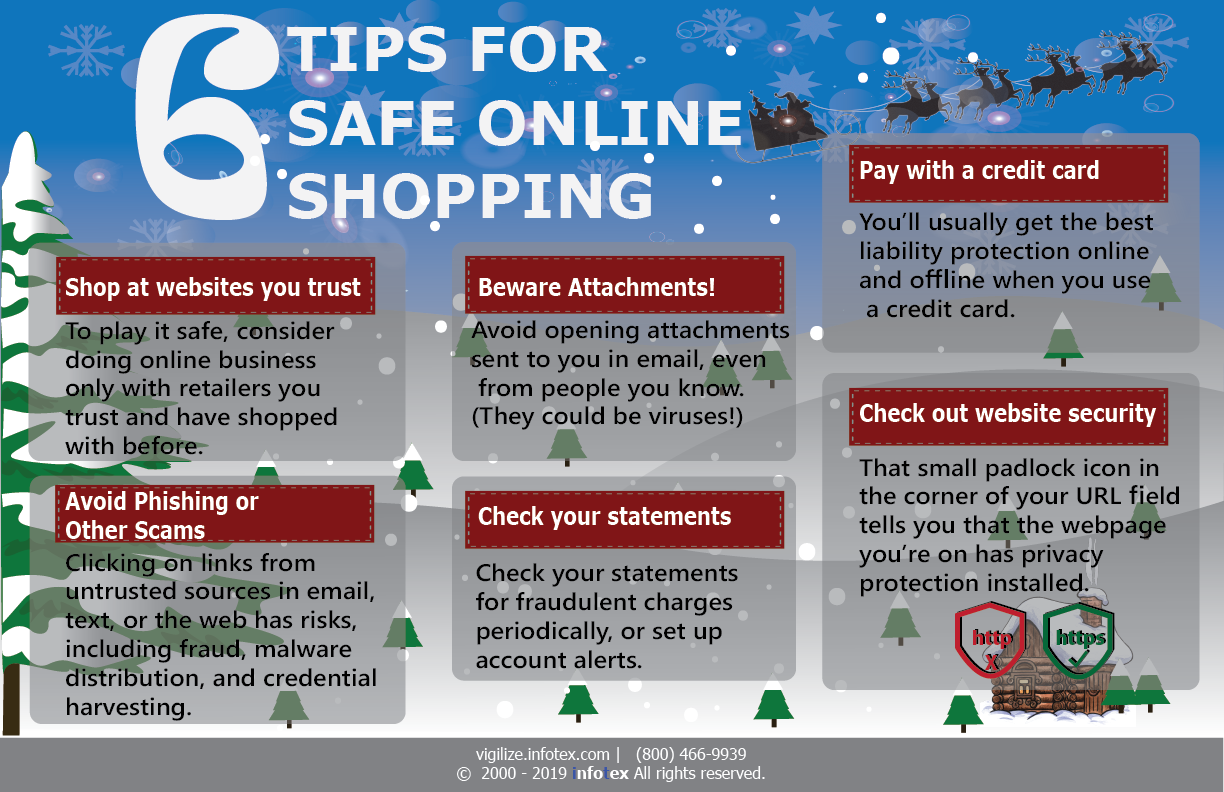
Consumers should also pay attention to website security. Secure shopping websites typically use encrypted connections indicated by “https” in the web address and a lock icon in the browser. While a secure connection alone does not guarantee legitimacy, the absence of security features is a serious warning sign.
Checking contact information is another important habit. Trustworthy businesses usually provide clear customer service details, return policies, email addresses, and physical business information. Scam websites often provide vague or incomplete contact information or avoid listing real business addresses altogether.
Third-party marketplace sellers should also be evaluated carefully. Large online marketplaces allow independent sellers to list products, but not all vendors maintain the same standards of authenticity or service quality. Consumers should review seller ratings, customer feedback, and account history before purchasing.
Customer reviews themselves require careful interpretation because fake reviews have become increasingly common. Extremely generic reviews, repetitive wording, or large numbers of overly positive comments posted within short time periods may indicate manipulated feedback. Verified purchase reviews and detailed customer experiences are usually more reliable.
Social media advertisements have also become a major source of online shopping scams. Many fraudulent stores use sponsored ads featuring trendy products, dramatic discounts, or viral gadgets to attract impulse buyers. Consumers should avoid making purchases directly from unfamiliar social media ads without researching the seller independently.
Another growing issue involves counterfeit branded products. Fake versions of designer clothing, electronics, cosmetics, supplements, and accessories are widely sold online. These items may look convincing in photos but often differ significantly in quality, safety, or performance once delivered.
Impulse buying increases scam risk significantly. Scammers often create urgency using phrases such as “limited stock,” “flash sale,” or countdown timers to pressure shoppers into quick purchases without proper research. Taking time to verify sellers and compare listings reduces the likelihood of fraud.
Protect Personal and Financial Information During Online Purchases
Online shopping safety involves more than avoiding fake products. Consumers must also protect their financial data, passwords, and personal information from cybercriminals who target online shoppers.
One of the most important habits is using strong and unique passwords for shopping accounts. Many people reuse the same password across multiple websites, which increases risk if one account becomes compromised. Password managers can help create and store secure passwords more safely.
Two-factor authentication has also become increasingly important. Many major retailers and payment services now offer additional login verification steps that help prevent unauthorized account access. Enabling this feature provides extra protection for shopping accounts and stored payment information.
Using secure payment methods is another critical safety practice. Credit cards generally provide stronger fraud protection than debit cards or direct bank transfers. Many payment platforms also offer buyer protection programs that help consumers recover money if products are not delivered or if scams occur.
Public Wi-Fi networks create additional risks during online shopping. Making purchases while connected to unsecured public internet networks may expose sensitive data to cybercriminals. Shopping on trusted home networks or using secure mobile data connections is generally safer.
Consumers should also be cautious about suspicious emails and text messages claiming to represent retailers, delivery companies, or payment services. Phishing scams often attempt to steal login credentials or payment information by directing users to fake websites that resemble legitimate companies.
Package tracking scams have become increasingly common as online shopping volumes continue to grow. Fake shipping notifications may contain malicious links designed to steal personal information or install harmful software. Customers should access order updates directly through official retailer websites or apps instead of clicking unfamiliar links.
Another important habit is reviewing bank and credit card statements regularly. Detecting unauthorized transactions quickly improves the chances of resolving fraud successfully. Many financial institutions also allow customers to enable transaction alerts for additional security monitoring.
Automatic saved payment information can improve convenience but may also increase risk if accounts are compromised. Some shoppers prefer using digital wallets or virtual card numbers that limit exposure of actual financial details during transactions.
Privacy awareness is also becoming more important in online shopping. Many websites collect significant amounts of consumer data through browsing activity, purchase history, and targeted advertising systems. Reviewing privacy settings and limiting unnecessary account permissions can help reduce unwanted data collection.
Subscription scams are another growing concern. Some websites advertise low-cost trial offers but later charge recurring fees hidden in fine print. Consumers should read subscription terms carefully and monitor recurring payment activity regularly.
Parents should also educate children and teenagers about safe online shopping habits. Younger users may be especially vulnerable to fake websites, gaming-related scams, or social media product fraud due to limited purchasing experience.
Smart Shopping Habits Help Consumers Avoid Long-Term Problems
Safe online shopping ultimately depends on developing consistent habits that reduce risk and improve decision-making. Experienced shoppers often avoid scams not because they never encounter fraudulent listings, but because they follow routines that help identify problems early.
Researching products before purchasing is one of the most valuable habits. Comparing prices across multiple retailers, reading professional reviews, and checking product specifications can reveal suspicious inconsistencies. If one seller offers dramatically lower prices than every competitor, caution is usually justified.
Shopping from established and reputable retailers remains one of the safest approaches, especially for expensive electronics, luxury products, or health-related items. While smaller businesses can also be trustworthy, unfamiliar websites should be researched carefully before making purchases.
Understanding return and refund policies is another important part of safe online shopping. Reliable retailers generally provide clear policies regarding damaged products, returns, and customer support. Scam sellers often make refund processes intentionally difficult or impossible.
Delivery expectations should also be realistic. Extremely long shipping times, unclear tracking information, or repeated delivery excuses may indicate fraudulent sellers or counterfeit operations. Consumers should monitor order progress and contact sellers promptly if issues arise.
Reading product descriptions carefully can prevent disappointment as well. Some misleading listings use edited images or vague wording to create unrealistic expectations. Checking dimensions, materials, compatibility details, and included accessories helps shoppers avoid misleading purchases.
Technology awareness also matters because online scams evolve constantly. Artificial intelligence-generated product images, fake influencer endorsements, and manipulated reviews are becoming increasingly sophisticated. Consumers who stay informed about emerging scam tactics are better prepared to recognize suspicious activity.
Mobile shopping apps have made online purchases faster and more convenient, but they also encourage impulse spending. Many Americans now buy products within seconds using one-click checkout systems. While convenient, rapid purchasing reduces the likelihood of carefully evaluating sellers or product authenticity.
Another growing trend is secondhand online shopping through resale platforms and peer-to-peer marketplaces. These platforms can provide excellent deals, but buyers should still verify seller credibility, review product photos carefully, and use secure payment methods whenever possible.
Digital literacy is becoming an essential life skill as online commerce continues to expand. Understanding how to evaluate websites, protect data, recognize scams, and verify authenticity helps consumers shop more confidently and safely in increasingly digital retail environments.
Online shopping offers convenience, variety, and competitive pricing, but it also requires awareness and caution. By developing smart shopping habits, verifying sellers carefully, protecting financial information, and avoiding impulsive decisions, consumers can reduce scam risks and enjoy safer online purchasing experiences. Careful decision-making not only protects money and personal data but also helps create more reliable and satisfying long-term shopping habits.