Minimalist Wardrobe Guide: Clothing Staples That Never Go Out of Style
Fashion trends change constantly, but timeless style continues to remain relevant year after year. In the United States, more people are moving away from fast fashion and overcrowded closets in favor of minimalist wardrobes built around versatile, high-quality essentials. A minimalist wardrobe is not about owning the fewest clothes possible. Instead, it focuses on keeping practical, stylish, and easy-to-match clothing pieces that work across different seasons, occasions, and lifestyles.
Modern consumers are increasingly prioritizing simplicity, comfort, sustainability, and long-term value. Many Americans have realized that constantly chasing trends often leads to wasted money, clutter, and clothing that quickly goes out of fashion. A thoughtfully designed wardrobe can reduce decision fatigue, simplify shopping, and create a polished appearance without requiring excessive spending.
Minimalist fashion also supports modern lifestyles that value flexibility and efficiency. Whether someone works remotely, commutes daily, travels frequently, or balances professional and casual environments, timeless wardrobe staples provide reliability and versatility. Instead of buying large quantities of trendy items, minimalist dressing focuses on quality fabrics, neutral colors, and classic designs that remain stylish for years.
Build a Strong Foundation With Timeless Everyday Essentials
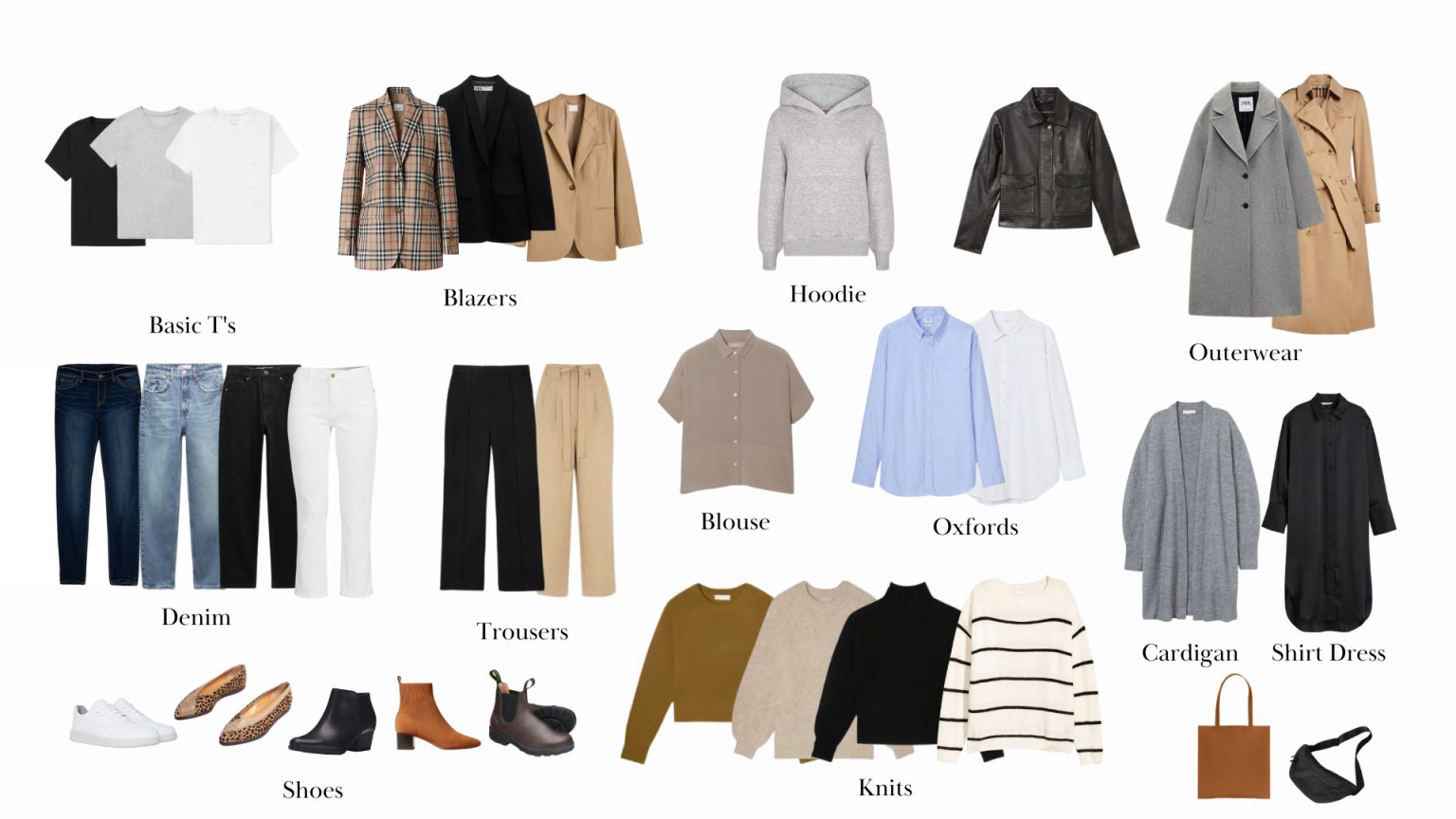
Every successful minimalist wardrobe starts with reliable basics that can be worn repeatedly in different combinations. These foundational pieces create flexibility and allow individuals to build multiple outfits without needing a large collection of clothing.
A well-fitted white T-shirt remains one of the most important wardrobe essentials for both men and women. Its simplicity allows it to pair effortlessly with jeans, jackets, trousers, skirts, and sneakers. Neutral-colored T-shirts in black, gray, navy, or beige are equally valuable because they work across seasons and rarely go out of style.
Button-down shirts are another timeless staple. Crisp white, light blue, or neutral-colored shirts work for professional settings, casual outings, and layered outfits. Modern minimalist wardrobes often favor clean cuts and high-quality fabrics over flashy patterns or logos. Linen and cotton blends are especially popular because they combine comfort with durability.
Well-fitted jeans continue to be one of the most versatile clothing items in American fashion. Straight-leg, slim-fit, or classic-cut denim styles tend to remain fashionable longer than heavily trend-driven designs. Dark-wash jeans are particularly useful because they transition easily between casual and semi-formal situations.
Neutral-colored trousers are also essential for a minimalist wardrobe. Black, navy, charcoal, and beige pants provide flexibility for office wear, dinners, travel, and everyday errands. Comfortable yet structured pants have become increasingly popular as more Americans seek clothing that balances professionalism with casual comfort.
Layering pieces are another key part of timeless dressing. Lightweight sweaters, cardigans, hoodies, and crewneck pullovers help create multiple outfit combinations without requiring excessive clothing. Solid colors and simple patterns are easier to mix and match, making daily outfit selection more efficient.
Outerwear plays a major role in a minimalist wardrobe because jackets and coats are often worn repeatedly throughout the year. A classic denim jacket, neutral trench coat, leather jacket, or wool overcoat can remain stylish for many years if chosen carefully. Americans increasingly prefer versatile outerwear that works across both casual and professional settings.
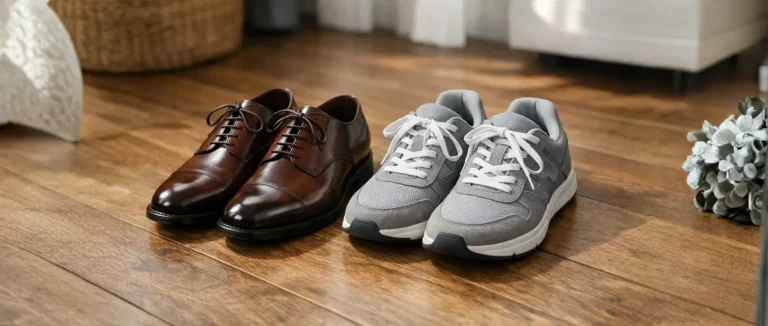
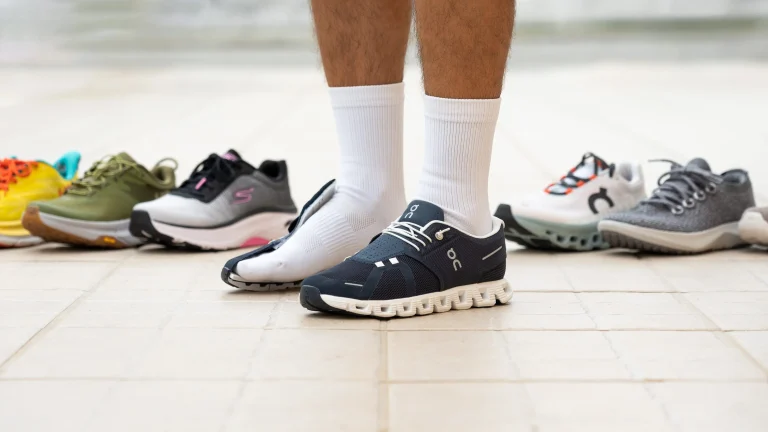
Comfortable footwear is equally important. Minimalist wardrobes typically include versatile shoes such as white sneakers, loafers, ankle boots, or simple leather shoes that pair easily with different outfits. Neutral footwear colors help reduce the need for multiple specialized pairs.
Accessories in minimalist fashion are usually subtle and functional rather than overly trendy. Leather belts, simple watches, structured bags, and understated jewelry help complete outfits without overwhelming them. Many modern consumers now prioritize quality craftsmanship over large brand logos or attention-grabbing designs.
The main goal of foundational wardrobe pieces is versatility. Each item should work with multiple other pieces, allowing a smaller wardrobe to create a wide variety of outfits. This approach saves time, reduces unnecessary purchases, and encourages more intentional shopping habits.
Focus on Quality, Fit, and Neutral Colors Instead of Fast Fashion Trends
One of the defining principles of minimalist fashion is prioritizing quality over quantity. Fast fashion encourages consumers to buy inexpensive trendy clothing that may quickly wear out or lose relevance. Minimalist wardrobes take the opposite approach by focusing on durable materials, timeless designs, and long-term usability.
Fabric quality plays a major role in how clothing looks and lasts over time. Natural materials such as cotton, wool, linen, and high-quality denim tend to age better and remain comfortable through repeated use. Americans increasingly value breathable, durable fabrics that maintain their appearance after multiple washes.
Fit is equally important in minimalist dressing. Even simple clothing looks polished when it fits properly. Oversized or poorly fitted garments often appear less intentional and may reduce outfit versatility. Tailoring basic clothing items can dramatically improve overall appearance without requiring expensive designer brands.
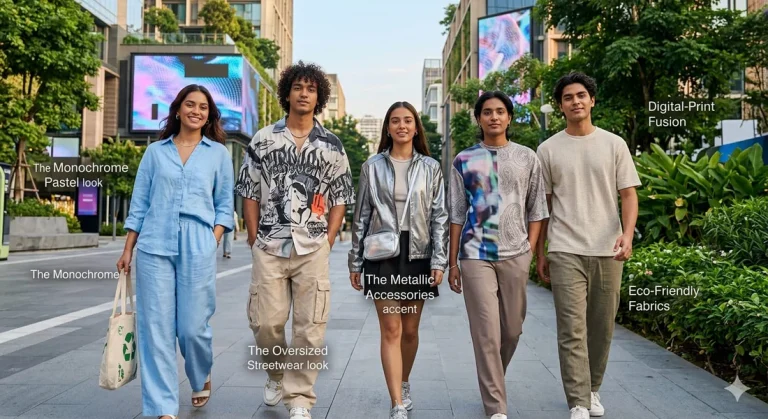
Neutral color palettes are another hallmark of timeless wardrobes. Black, white, gray, navy, beige, olive, and brown are commonly used because they combine easily and remain stylish regardless of changing trends. Neutral tones simplify outfit coordination and make packing for travel much easier.
Minimalist wardrobes do not necessarily avoid all color, but they often use color strategically. A few accent pieces in muted or seasonal tones can add personality without overwhelming the overall simplicity of the wardrobe. Many Americans now prefer understated fashion because it feels more adaptable across different social and professional environments.
Logos and heavily branded clothing have also become less central in minimalist fashion. Instead of focusing on visible labels, consumers increasingly value clean aesthetics, comfort, and craftsmanship. Timeless clothing usually avoids excessive graphics, loud prints, or overly trend-driven details that may feel outdated within a short period.
Capsule wardrobes have become especially popular among professionals, travelers, and remote workers. A capsule wardrobe is a smaller collection of carefully selected clothing pieces designed to maximize outfit combinations. This approach reduces clutter while ensuring every item serves a practical purpose.
Sustainability is another major reason minimalist wardrobes continue to grow in popularity across the United States. Many consumers are becoming more aware of the environmental impact of excessive clothing consumption. Buying fewer, higher-quality pieces helps reduce waste and encourages more responsible shopping habits.
Seasonal versatility is also important when selecting timeless staples. Clothing that can transition between seasons provides greater value and practicality. Lightweight jackets, layering sweaters, neutral sneakers, and adaptable fabrics help create outfits suitable for changing weather conditions throughout the year.
Modern minimalist fashion also reflects changing workplace culture. As dress codes become more flexible, many Americans now prefer clothing that works in both casual and professional environments. Smart-casual pieces that balance comfort with polished style have become increasingly valuable in modern wardrobes.
A Minimalist Wardrobe Simplifies Daily Life and Encourages Smarter Spending
One of the biggest advantages of a minimalist wardrobe is the simplicity it brings to everyday life. Many people spend unnecessary time deciding what to wear because their closets are filled with mismatched or rarely used clothing. A smaller, more organized wardrobe reduces decision fatigue and makes outfit selection easier and faster.
Minimalist wardrobes also encourage more intentional shopping habits. Instead of buying impulsively during sales or chasing social media trends, consumers learn to evaluate whether new purchases genuinely fit their existing wardrobe and lifestyle. This often leads to better financial decisions and reduced unnecessary spending.
Closet organization becomes easier with fewer but more versatile items. Americans increasingly value clean, uncluttered living spaces, and minimalist wardrobes support that lifestyle by reducing excess clothing accumulation. Organized closets also make it easier to see what items are actually being worn regularly.
Travel becomes significantly more convenient with a minimalist approach to clothing. Versatile staples allow travelers to pack fewer items while still creating multiple outfit combinations. Neutral colors and layering pieces are especially useful for business trips, vacations, and weekend travel.
Minimalist fashion also supports confidence and personal consistency. Instead of constantly adapting to rapidly changing trends, individuals develop a recognizable personal style built around clothing that suits their body type, preferences, and lifestyle. Many people find this approach more authentic and less stressful than trend-driven shopping.
Financial savings are another major benefit. While high-quality clothing may cost more upfront, durable pieces often last significantly longer than cheaper fast fashion alternatives. Over time, buying fewer well-made items can reduce overall clothing expenses while improving wardrobe quality.
Secondhand shopping and clothing resale platforms are also becoming part of modern minimalist fashion culture. Many Americans now buy vintage denim, quality coats, and classic designer pieces secondhand to save money while reducing environmental waste. Timeless styles remain valuable in resale markets because they do not become outdated as quickly as trend-focused items.
Minimalist wardrobes also encourage better clothing care habits. People tend to maintain and protect garments more carefully when they own fewer but higher-quality pieces. Proper washing, storage, and maintenance extend the lifespan of clothing and preserve its appearance over time.
Social media and influencer culture once promoted constant consumption and rapidly changing trends, but many consumers are now moving toward more sustainable and intentional fashion choices. Timeless wardrobe staples offer stability in a fast-changing fashion environment while helping individuals maintain comfort, practicality, and style.
A minimalist wardrobe is ultimately about creating balance between functionality, personal style, and long-term value. By focusing on timeless essentials, quality materials, and versatile clothing combinations, individuals can build wardrobes that remain stylish and practical for years without depending on constantly changing fashion trends.