How to Choose Comfortable Shoes for Everyday Wear and Long Walking Hours
Comfortable shoes are no longer considered a luxury item. For millions of people who spend hours walking, standing, commuting, traveling, or working on their feet, the right footwear has become an essential part of daily health and productivity. Whether someone works in healthcare, retail, hospitality, education, or simply enjoys an active lifestyle, uncomfortable shoes can quickly lead to fatigue, back pain, foot strain, and long-term discomfort.
Modern consumers are also becoming more aware of how footwear affects posture, joint support, and overall mobility. In 2026, comfort-focused footwear is one of the fastest-growing segments in the fashion and lifestyle market. Many Americans now prioritize support, durability, and foot health over purely appearance-based choices. However, with thousands of brands and styles available online and in stores, choosing the right pair can feel overwhelming.
The best everyday shoes should provide long-lasting comfort, proper support, durability, and versatility for different activities. Instead of focusing only on fashion trends or brand popularity, smart shoppers evaluate how a shoe performs during extended daily use.
Proper Fit and Foot Support Matter More Than Brand Names
One of the biggest mistakes people make when buying shoes is choosing style or brand reputation over actual fit. Even expensive shoes can become uncomfortable if they do not properly support the shape and movement of the foot. A good fit is the foundation of comfortable footwear, especially for individuals who spend long hours walking or standing.
Feet naturally expand during the day due to movement and body heat. That is why many footwear experts recommend shopping for shoes later in the afternoon or evening instead of early morning. Trying on shoes when feet are slightly swollen gives a more realistic sense of long-term comfort during regular daily activity.
Toe space is another critical factor. Shoes that squeeze the toes can lead to discomfort, blisters, and foot problems over time. A comfortable shoe should provide enough room for natural toe movement without feeling loose or unstable. Many Americans now prefer wide-toe-box designs because they reduce pressure and improve walking comfort during extended wear.
Arch support plays a major role in preventing fatigue and maintaining proper posture. People with flat feet, high arches, or specific foot conditions often need footwear designed for their foot structure. Shoes with poor arch support may contribute to knee pain, lower back discomfort, and foot strain after long walking sessions.
Cushioning is equally important for everyday footwear. Modern walking shoes and casual sneakers often include foam midsoles, shock-absorbing layers, and ergonomic insoles that reduce pressure on joints. This is especially valuable for individuals working long shifts or commuting in urban environments where walking distances can be significant.
Heel support also affects comfort and stability. A secure heel prevents excessive movement inside the shoe, reducing friction and minimizing the risk of blisters. Shoes that slide around during walking often create discomfort even if they initially feel soft.
Breathability has become another major consideration in modern footwear design. Materials such as mesh fabrics and moisture-wicking linings improve airflow and help keep feet cooler during long hours of use. Breathable shoes are especially important in warmer climates or for individuals who walk frequently throughout the day.
Consumers should also pay attention to sole flexibility and traction. Shoes that are too stiff can feel restrictive, while overly soft soles may lack proper stability. Good walking shoes balance flexibility with support, allowing natural movement without compromising comfort. Slip-resistant soles are also important for safety, particularly in workplaces with smooth or wet surfaces.
Trying shoes on with the same type of socks typically worn during daily use is another overlooked but important habit. Thick athletic socks, compression socks, or thin casual socks can significantly change how a shoe fits and feels.
Different Lifestyles Require Different Types of Comfortable Footwear
Not all comfortable shoes are designed for the same purpose. Someone who walks through city streets all day has different footwear needs than a person working in an office or someone standing for long shifts in healthcare or retail. Choosing the right shoe depends heavily on lifestyle, work environment, and daily activity levels.
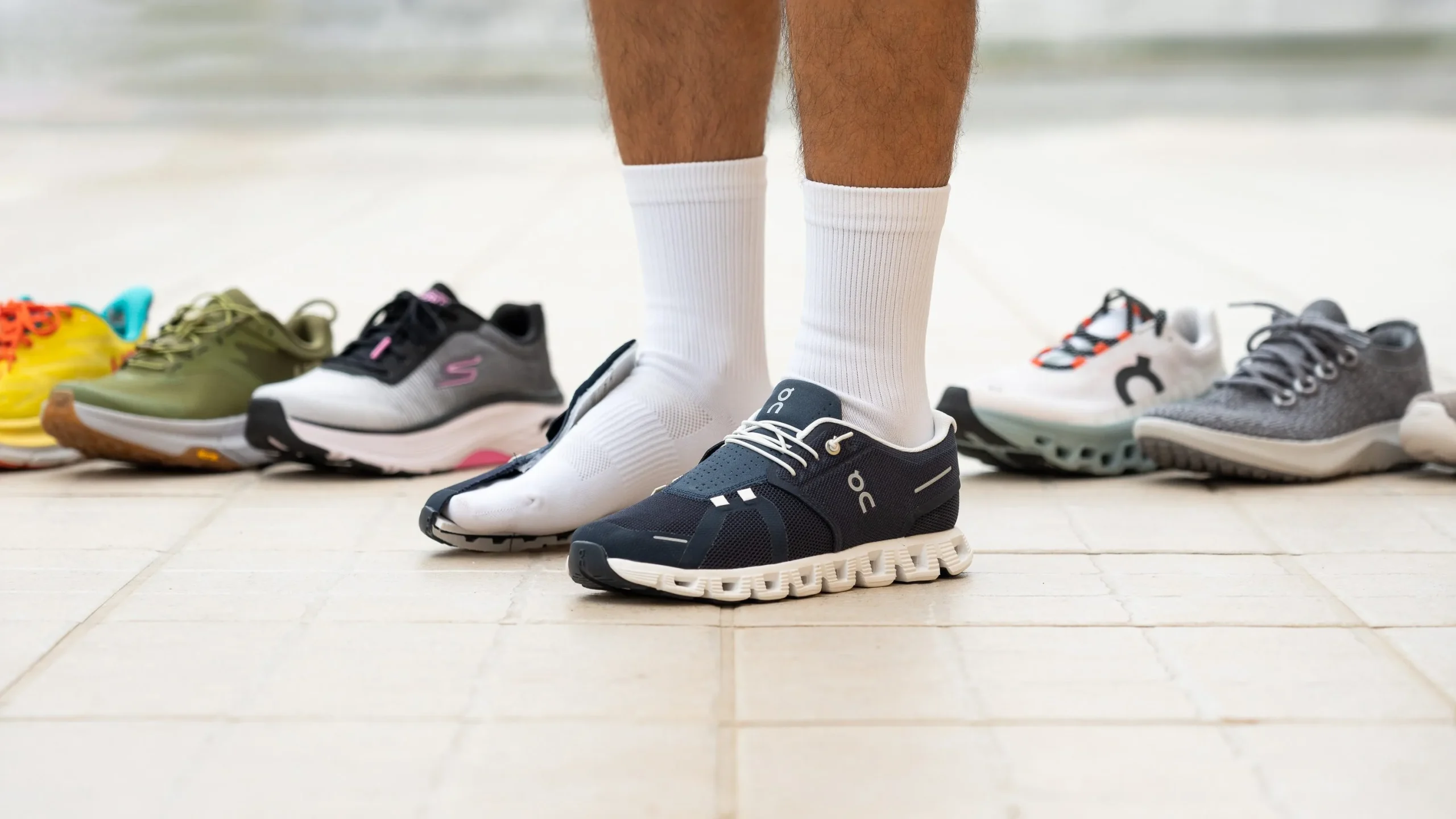
Walking shoes are among the most popular choices for everyday wear in the United States. These shoes are specifically designed to support repetitive forward movement and reduce foot fatigue. They often feature lightweight construction, flexible soles, and cushioning systems that improve comfort during long walking hours.
Running shoes are also commonly used for everyday activities because of their advanced cushioning technology. However, not every running shoe is ideal for daily casual wear. Some are designed specifically for athletic performance rather than prolonged standing or all-day walking. Consumers should look for models intended for both comfort and lifestyle use.
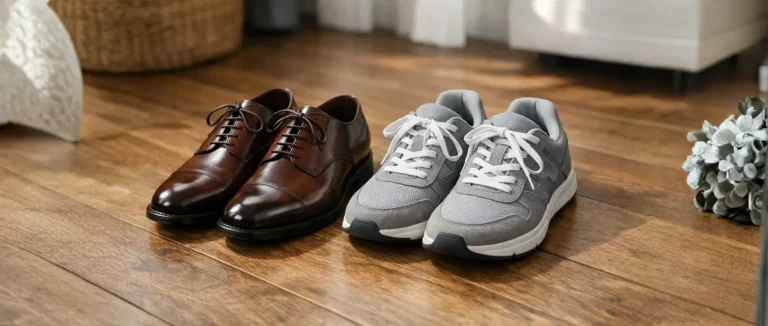
For office workers and professionals, comfortable dress shoes have become increasingly important. Many modern brands now combine business-casual appearance with sneaker-like comfort features. Soft insoles, padded collars, and lightweight materials allow professionals to maintain a polished appearance without sacrificing foot support.
Workers in healthcare, retail, hospitality, and warehouse environments often require shoes built for long standing hours. These professions place continuous pressure on the feet and lower body, making durability and support essential. Slip-resistant soles, reinforced cushioning, and shock absorption are especially valuable in these industries.
Travel footwear has also gained popularity as more Americans prioritize comfort during vacations and business trips. Good travel shoes should be lightweight, easy to pack, supportive during airport walking, and versatile enough to match multiple outfits. Many travelers now prefer minimalist sneakers or hybrid casual shoes that combine comfort with style.
Weather conditions also influence shoe selection. In colder regions, insulated shoes with proper traction help maintain warmth and stability during winter months. In warmer climates, breathable sneakers and supportive sandals help reduce overheating and discomfort.
Sandals themselves have evolved significantly in recent years. Supportive walking sandals with ergonomic footbeds are now widely accepted as practical everyday footwear rather than purely vacation items. Many consumers choose these options during summer because they provide comfort without sacrificing support.
Another growing trend is orthotic-friendly footwear. Many shoe brands now design removable insoles that allow users to insert custom orthotics for additional support. This is particularly useful for people with plantar fasciitis, flat feet, or chronic foot pain.
Minimalist footwear has also gained attention among consumers seeking more natural foot movement. These shoes feature thinner soles and lower heel drops designed to encourage a more natural walking pattern. While some people find them comfortable, they may require an adjustment period and are not ideal for everyone.
Durability, Material Quality, and Long-Term Comfort Should Guide Buying Decisions
Comfortable shoes are an investment rather than a short-term purchase. Many people focus heavily on appearance or discounts while ignoring durability and long-term performance. However, poor-quality shoes often wear out quickly, lose support, and create discomfort after only a few months of regular use.
Material quality is one of the most important factors affecting durability and comfort. Leather remains a popular option because it adapts to the shape of the foot over time while maintaining strength and flexibility. High-quality synthetic materials and engineered mesh fabrics are also widely used because they reduce weight and improve breathability.
Sole construction significantly affects how long a shoe remains comfortable. Cheap foam soles may feel soft initially but compress quickly after repeated use. Durable midsoles made from advanced cushioning materials tend to maintain support for longer periods, especially for individuals who walk extensively each day.
Weight is another important consideration. Heavy shoes can increase fatigue during long walking hours, especially for commuters and workers who remain active throughout the day. Lightweight footwear often improves mobility and reduces strain on the legs and feet.
Consumers should also evaluate stitching quality and overall construction. Loose stitching, weak glue, and thin materials are warning signs of shoes that may wear out prematurely. A well-constructed shoe usually lasts longer and provides more consistent support over time.
Replacing shoes at the right time is equally important. Many people continue wearing worn-out footwear long after the cushioning and support have deteriorated. Even if shoes still look acceptable externally, compressed insoles and worn soles can negatively affect posture and comfort. Regular walkers often replace everyday shoes every six to twelve months depending on usage.
Cleaning and maintaining shoes properly can extend their lifespan significantly. Removing dirt, allowing shoes to air out, and rotating between multiple pairs helps preserve cushioning and materials. Americans increasingly recognize that proper footwear care reduces replacement costs and maintains comfort for longer periods.
Price alone does not always determine comfort or quality. Some mid-range brands provide excellent support and durability without luxury-level pricing. Instead of chasing trends or celebrity endorsements, smart shoppers focus on fit, functionality, and verified customer reviews.
Modern consumers also increasingly value versatility. Shoes that work for commuting, casual outings, travel, and light exercise provide greater long-term value than highly specialized designs used only occasionally. Neutral colors and timeless styles allow comfortable footwear to blend easily with different outfits and lifestyles.
Comfortable shoes have become an essential part of modern living because they directly influence daily energy, mobility, and overall well-being. Choosing the right pair requires attention to fit, support, durability, and individual lifestyle needs rather than simply following fashion trends. A thoughtfully selected pair of shoes can improve comfort throughout the day while supporting healthier movement and long-term foot health.